Solar Panel Planning Permission in Ireland: What You Need to Know
Do You Need Planning Permission for Solar Panels in Ireland?
Most homeowners in Ireland do not need planning permission for solar panels. Since October 2022, residential installations on houses are exempt development with no area limit on roof-mounted panels. If your house is not a protected structure, not in an architectural conservation area, and the panels meet a few basic conditions, you can go ahead without a planning application. If you’re still weighing up whether solar is right for you, see our guide on whether solar panels are worth it in Ireland.
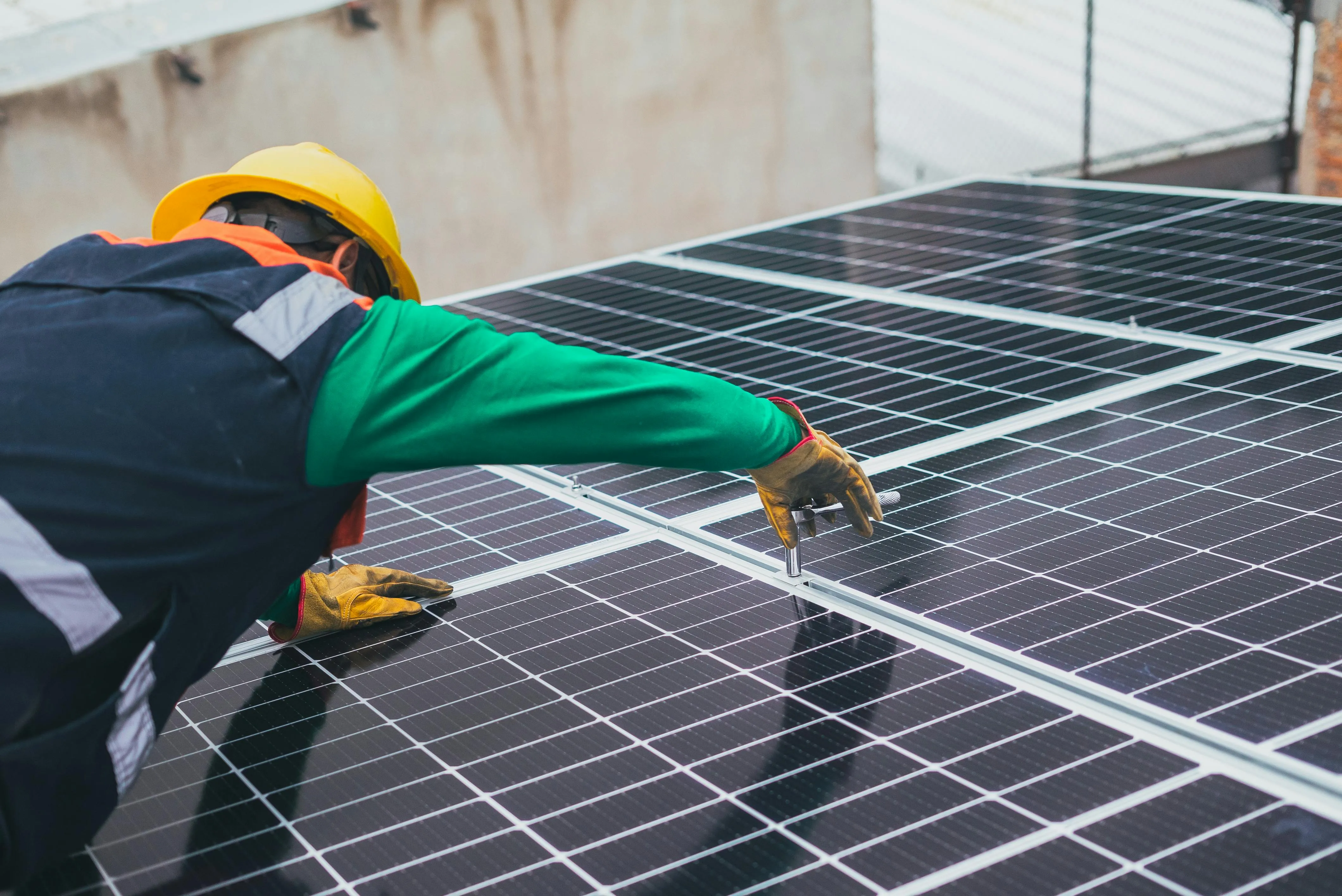
That said, the rules vary depending on whether you live in a house, apartment, or duplex, and whether the panels are roof-mounted or ground-mounted. Commercial buildings have their own set of exemptions. Here is a clear breakdown of what applies to each situation.
The General Rule: Exempt Development for Houses
Under Irish planning law (updated by S.I. No. 493 of 2022), solar panels on a house are classified as exempt development provided all of the following conditions are met:
- Panels must not project more than 150mm (15cm) from the roof surface
- Panels must not extend above the ridge line of the roof
- Panels must be at least 50cm from any edge of the roof
- The house must not be a protected structure
- The house must not be located in an architectural conservation area (ACA)
There is no area limit for roof-mounted solar panels on houses. The previous 12 square metre and 50% roof area restrictions were removed in October 2022. You can cover as much of your roof as you like, provided the conditions above are met.
If your installation meets all five conditions, no planning permission is required. You can proceed directly with your installer.
When You DO Need Planning Permission
There are situations where the exemption does not apply and you will need to submit a planning application.
Protected Structures
If your home is on the Record of Protected Structures (RPS), you cannot install solar panels as exempt development. This applies even if the panels would be invisible from the street. You will need planning permission, and the planning authority will assess the impact on the building’s character.
Protected structures include period homes, former institutional buildings, and other buildings deemed to have special architectural, historical, or cultural interest. Your local authority maintains the list for your area.
Architectural Conservation Areas
Homes in an ACA are also excluded from the exemption. Even if the building itself is not individually protected, the area designation means the planning authority has a say in external changes. You will need permission, and conditions may be attached regarding panel placement and visibility.
Exceeding Projection or Setback Limits
If your panels project more than 150mm from the roof, extend above the ridge line, or are within 50cm of a roof edge, you need planning permission. In practice, most residential systems fit comfortably within these conditions.
Apartments and Multi-Unit Buildings
The exempt development rules for houses do not apply in the same way to apartments. See the dedicated section below.
The October 2022 Exemption Changes
In October 2022, the government significantly expanded planning exemptions for solar panels via S.I. No. 493 of 2022. The changes were designed to remove barriers and encourage more solar adoption across residential and commercial properties.
What Changed for Houses
The previous 12 square metre and 50% roof area limits were completely removed. Houses can now install solar panels across their full roof area without planning permission, subject only to the projection, ridge line, and setback conditions. This was the single biggest change for homeowners.
What Changed for Commercial and Industrial Buildings
Commercial and industrial buildings can now cover their full roof area with solar panels without planning permission, subject to the same physical conditions as houses. The only exception is buildings in Solar Safeguarding Zones (architectural conservation areas and similar designated areas), where a 300 square metre limit applies. See the business section below for full details.
Why the Changes Happened
Ireland’s Climate Action Plan sets ambitious targets for solar energy. The previous planning rules were seen as a barrier, particularly for businesses and homeowners wanting larger systems. The expanded exemptions aim to reduce paperwork and speed up adoption. The government estimated that thousands of additional installations would become possible without planning applications.
Rules for Apartments and Duplexes
If you live in an apartment or duplex, the situation is more complex.
Apartments
Solar panel installation on apartment buildings typically requires planning permission. The exempt development rules for houses do not extend to apartments in the same way. This is because:
- The roof is usually a common area owned or managed by the owners’ management company (OMC)
- Installing panels on a shared roof affects other residents
- The building may have design or aesthetic guidelines
Before considering planning permission, you will need written consent from your management company. Without it, you cannot proceed regardless of the planning position.
Some apartment developments have explored communal solar installations where the management company installs panels on behalf of all residents. This is becoming more common, but still requires planning permission and agreement from the OMC.
Duplexes
Duplexes fall into a grey area. If your duplex has its own individual roof section that is not shared, the house exemptions may apply. If the roof is shared with another unit, you are in similar territory to apartments. Check with your local planning authority if you are unsure.
Rules for Businesses and Commercial Buildings
The October 2022 changes were particularly significant for commercial properties. The updated exemptions allow businesses to install solar across their full roof area without planning permission.
For commercial and industrial buildings, the current exempt development conditions are:
- No area limit on roof-mounted panels (full roof coverage is allowed)
- Panels must not project more than 150mm from the roof surface
- Panels must not extend above the ridge line
- Panels must be at least 50cm from any edge of the roof
- The building must not be a protected structure
- In Solar Safeguarding Zones (architectural conservation areas and similar designated areas), the limit is 300 square metres
For buildings outside safeguarding zones, there is no cap on panel area. This covers the vast majority of commercial and industrial premises.
For agricultural buildings, the exemptions are similarly generous. Farmers with large south-facing shed roofs are well positioned to benefit.
Ground-Mounted Solar Panels
Not all solar panels go on roofs. Ground-mounted systems are an option if your roof is not suitable (wrong orientation, too much shading, or not structurally sound). The planning rules for ground-mounted panels are different.
Residential Ground-Mounted Exemptions
Ground-mounted solar panels at a house are exempt from planning permission provided:
- The panels are within the curtilage (grounds) of the house
- The total area does not exceed 25 square metres
- The panels are no more than 2 metres high
- The house is not a protected structure or in an ACA
These limits allow for a reasonable ground-mounted array in a back garden. A 25 square metre ground array can accommodate a system of around 4 to 5 kW, which is similar to what most homes install on a roof.
When Ground-Mounted Panels Need Permission
If your planned ground array exceeds 25 square metres or 2 metres in height, you will need planning permission. Panels in the front garden or visible from the road may also attract scrutiny, though they are technically exempt if they meet the conditions above.
For commercial ground-mounted systems (solar farms or large arrays), planning permission is almost always required. These fall outside the exempt development framework entirely.
How to Check If You Need Permission
If you are not sure whether your installation qualifies as exempt development, there are a few options:
- Ask your installer. Experienced solar installers deal with planning rules regularly and can tell you whether your system fits within the exemptions. Our guide on choosing a solar installer covers what to look for
- Contact your local planning authority. You can request a Section 5 declaration, which is a formal determination of whether your proposed development is exempt. The fee is around €80
- Check the Record of Protected Structures. Your local authority website lists all protected structures in your area. If your home is not on the list and not in an ACA, you are very likely covered by the exemption
For most standard residential installations on a non-protected house, planning permission is simply not an issue. The exemptions were designed to cover exactly this type of work.
Frequently Asked Questions
Do I need planning permission for solar panels on my house?
In most cases, no. Since October 2022, there is no area limit for roof-mounted solar panels on houses. They are exempt development as long as they do not project more than 150mm from the roof, stay below the ridge line, and are at least 50cm from any roof edge. Protected structures and homes in architectural conservation areas are the main exceptions.
Can I put solar panels on my apartment?
It is more complicated. You will need consent from your owners’ management company, and planning permission is typically required. The house exemptions do not apply to apartment buildings.
Do ground-mounted solar panels need planning permission?
Not if they are within the grounds of your house, cover no more than 25 square metres, and are no taller than 2 metres. Beyond those limits, you will need permission.
What happens if I install solar panels without permission when I needed it?
Unauthorised development can result in enforcement action from the local authority. You could be required to remove the panels or apply for retention permission (which is not guaranteed to be granted). Always confirm the planning position before installation.
Do the planning exemptions apply to battery storage?
Battery storage installed inside the house does not require planning permission. External battery units may be considered a separate structure and could have their own planning implications, but in practice most residential battery systems are installed indoors or in a garage.
How long does planning permission take if I need it?
A standard planning application takes 8 weeks from the date of submission. If further information is requested, the timeline extends. For most solar installations, the process is straightforward, but it does add time and cost (the application fee is €65 for a house).