5 Questions to Ask Before Choosing a Solar Installer in Ireland
The Installer Matters as Much as the Panels
A good installer will size your system correctly, use quality components, and handle everything from scaffolding to SEAI paperwork. A bad one will sell you the wrong size system, use cheap components, and leave you chasing them for warranty claims years later.
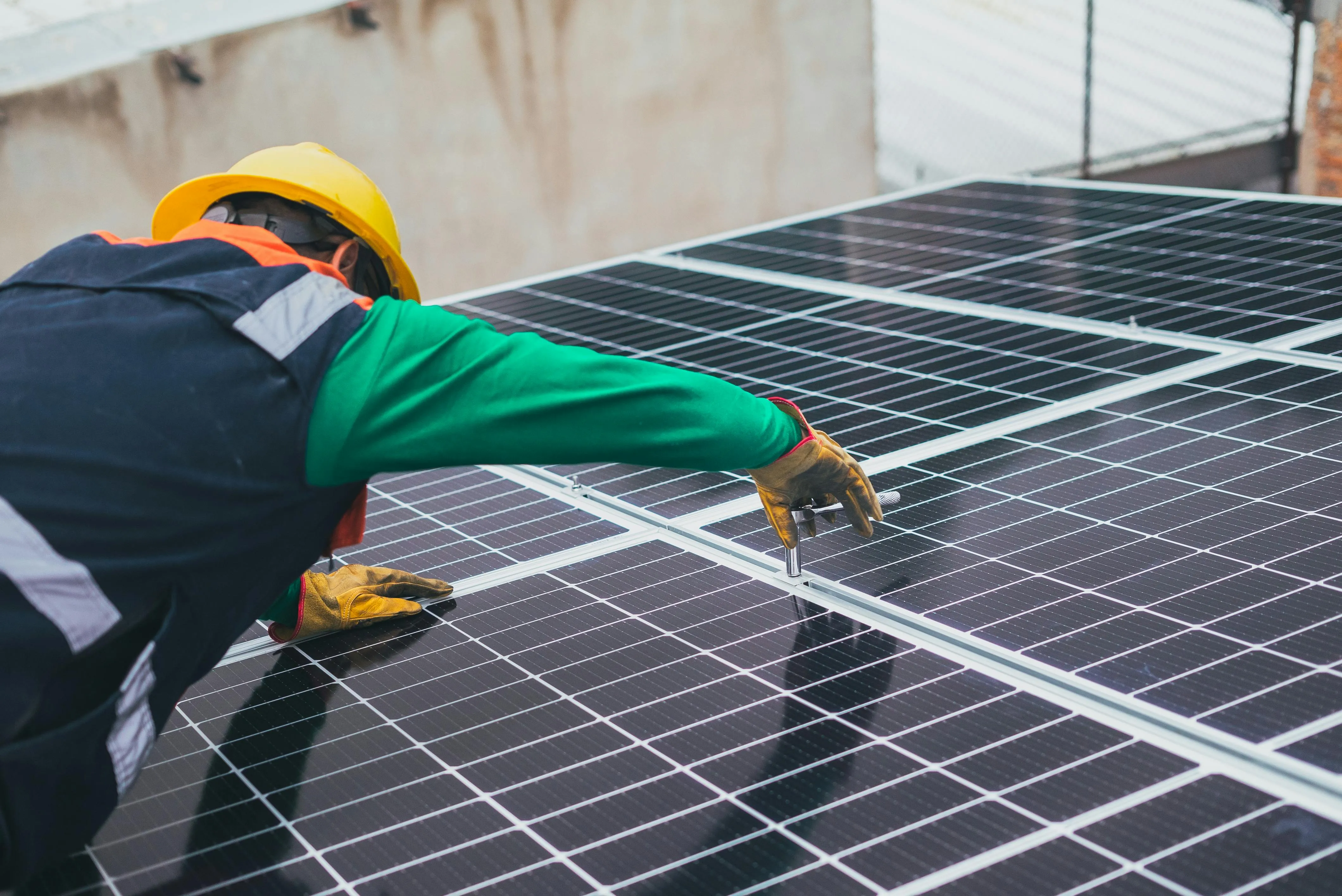
Solar panels are a 25-year investment. The panels themselves are fairly standardised. What separates a good installation from a bad one is the company that puts them on your roof. Here are five questions worth asking before you commit to anyone.
1. Are They SEAI Registered?
This is the first thing to check and it’s non-negotiable if you want to claim the SEAI solar grant. Only SEAI-registered contractors can carry out grant-eligible work. If your installer isn’t registered, you won’t get the grant, which is currently up to €1,800 for solar PV.
You can verify registration on the SEAI website. Search by company name or county. Registration means the installer has met SEAI’s requirements for qualifications and insurance. It doesn’t guarantee perfect work, but it’s a minimum bar that’s worth confirming before any conversation goes further.
If an installer tells you they’re “in the process of registering” or offers to do the work cheaper without going through SEAI, walk away. The grant savings far outweigh any discount they might offer.
2. Do They Use Their Own Team or Subcontractors?
Some solar companies have full-time installation crews. Others are sales operations that subcontract the actual installation to third parties. Neither model is inherently bad, but you should know which one you’re dealing with.
In-house teams mean one point of contact and clear accountability. If something goes wrong with your installation, you know exactly who is responsible. The company that sold you the system is the same company that put it on your roof.
Subcontracted work can be perfectly fine, but it introduces an extra layer. If a problem arises, you might find yourself caught between the sales company and the installation crew, each pointing at the other. If the installer does use subcontractors, ask who is responsible for warranty claims and who you contact if there’s an issue two years down the line.
3. What Exactly Is Included in the Quote?
A solar quote should be detailed and specific. Vague quotes with a single line item for “solar panel installation” are a warning sign. You should be able to see exactly what you’re paying for.
A properly itemised quote should include:
- Panel brand and model, with the number of panels specified
- Inverter brand and model (or microinverters if applicable)
- Mounting system and roof attachment method
- All electrical work, including connection to your consumer unit
- Scaffolding if your roof requires it
- ESB Networks notification, which is required for grid-connected systems
- BER assessment (sometimes included, sometimes charged separately)
- Projected annual output in kWh, based on your specific roof orientation and pitch
- Timeline for installation
If battery storage is included, it should be listed as a separate line item with the battery brand, capacity in kWh, and warranty terms.
Knowing the specific brands matters. It lets you research the components independently, compare them against other quotes, and verify the warranty terms directly with the manufacturer. An installer who won’t name the brands they use is one to avoid.
4. What Warranties Do They Offer?
Solar installations involve three separate warranties, and it’s important to understand what each one covers.
Panel performance warranty. Most reputable panel manufacturers offer a 25-year performance warranty, guaranteeing the panels will still produce at least 80% of their rated output after 25 years. This warranty is with the manufacturer, not the installer.
Inverter warranty. Standard inverter warranties are typically 10 to 12 years, though some brands offer up to 25 years. The inverter is the component most likely to need replacement during the life of your system, so a longer warranty here is genuinely valuable. Ask whether the quoted inverter warranty is the manufacturer’s standard or an extended option.
Workmanship warranty. This covers the installation itself. Roof penetrations, wiring, mounting brackets. This warranty is with the installer, not the manufacturer. Look for at least 5 years, though many good installers offer 10. This is the warranty most likely to matter in the first few years, covering things like leaks from poorly sealed roof fixings or wiring faults.
Get all warranty terms in writing before you sign. Ask specifically: what happens if your company closes down? For the panel and inverter warranties, the answer is straightforward because those are backed by the manufacturer. For the workmanship warranty, it’s worth understanding whether there’s any insurance-backed guarantee.
5. Can They Show Recent Work or Reviews?
Any established installer should be able to point you to reviews, testimonials, or examples of recent work. Google Reviews and Trustpilot are the most useful because they’re harder to fake than testimonials on a company’s own website.
Look for reviews that mention specific details about the installation experience, not just “great job, highly recommend.” Reviews that describe communication, tidiness, timeline accuracy, and aftercare tell you much more.
Ask if they can share photos of recent installations, particularly on roof types similar to yours. A company that’s been doing this for years should have plenty of examples. If they’re cagey about sharing references or examples, treat that as a yellow flag.
It’s also worth checking how they respond to negative reviews. Every company gets the occasional complaint. What matters is whether they address it professionally or ignore it.
Red Flags to Watch For
Not every red flag means the installer is dishonest, but each one should make you pause and ask more questions.
No site survey before quoting. Any installer quoting a price without visiting your property, or at minimum reviewing detailed photos and your BER cert, is guessing. Solar output depends on roof orientation, pitch, shading, and structural condition. A quote without a survey is unreliable.
Pressure to sign quickly. “This price is only valid today” or “we only have one slot left this month” are sales tactics, not genuine scarcity. A good installer will give you time to compare and decide.
Dramatically cheaper than other quotes. If one quote is 30% below the others, something is different. Cheaper panels, a smaller system, excluded costs, or corners being cut somewhere. Ask what’s different rather than assuming you’ve found a bargain.
Won’t specify panel or inverter brands. If an installer says “we use tier 1 panels” without naming the brand and model, push back. “Tier 1” is a bankability rating from Bloomberg, not a quality certification. It’s become a marketing term that tells you very little.
No written warranty. Verbal promises mean nothing when you have a leak three years later. Everything should be documented.
Oversized system recommendations. If an installer is pushing a system much larger than your consumption suggests, ask why. A system sized correctly for your usage will give you a better return than an oversized one, particularly if you don’t have battery storage. Read our guide on how many solar panels you actually need for context.
What a Good Solar Quote Should Include
Use this as a checklist when reviewing quotes. A thorough quote should cover all of the following:
- System size in kWp
- Number of panels, with brand and model
- Inverter brand, model, and type (string inverter, microinverters, or hybrid)
- Mounting system and roof attachment details
- Expected annual generation in kWh
- Total cost before grant
- SEAI grant amount and your net cost
- Scaffolding (included or extra)
- ESB Networks notification and connection
- BER assessment (before and after, if required for grant)
- Panel warranty duration
- Inverter warranty duration
- Workmanship warranty duration
- Estimated installation timeline
- Payment terms and schedule
If you’re comparing two or three quotes, having this level of detail makes it straightforward to see where they differ. Price differences almost always come down to component choices, system size, or what’s included versus excluded.
For a full breakdown of typical costs, see our solar panel cost guide for Ireland.
Frequently Asked Questions
How do I check if a solar installer is SEAI registered?
Visit the SEAI website and search their contractor register by name or county. Registration is required for any grant-eligible work. If you can’t find the company on the register, ask them directly and verify before proceeding.
How many quotes should I get?
At least two or three. This gives you enough to compare pricing, component choices, and how each installer approaches your specific property. Big price differences between quotes usually indicate different system sizes, component quality, or scope of work.
Should I choose the cheapest quote?
Not automatically. Compare what’s included. The cheapest quote may use lower-quality components, exclude scaffolding, or skip the BER assessment. The best value is a quote that uses quality components, includes everything, and comes from an installer with a strong track record.
Do solar panels work well in Ireland?
Yes. Ireland gets enough sunlight to make solar panels a worthwhile investment for most homes, even with our weather. Panels work on daylight, not direct sunshine. Output is lower in winter months but the annual total is still strong enough for a good return. Our guide on whether solar panels are worth it in Ireland covers the numbers in detail.
What happens if my installer goes out of business?
Your panel and inverter warranties are with the manufacturers, so those remain valid. The workmanship warranty is with the installer and would typically be lost. Some installers offer insurance-backed guarantees that survive the company closing. It’s worth asking about this before you sign, particularly if the company is relatively new.
How long does a solar panel installation take?
Most residential installations take one to two days. Larger systems or those with battery storage may take an additional day. The longer timeline is usually the lead time before installation, which can be anything from a few weeks to a couple of months depending on the installer’s schedule and time of year.