Do Solar Panels Increase Property Value in Ireland?
Do Solar Panels Increase Property Value in Ireland?
Solar panels are likely to add value to your home, though it’s hard to put an exact figure on it. The biggest impact comes through improving your BER rating, which directly affects what buyers are willing to pay.
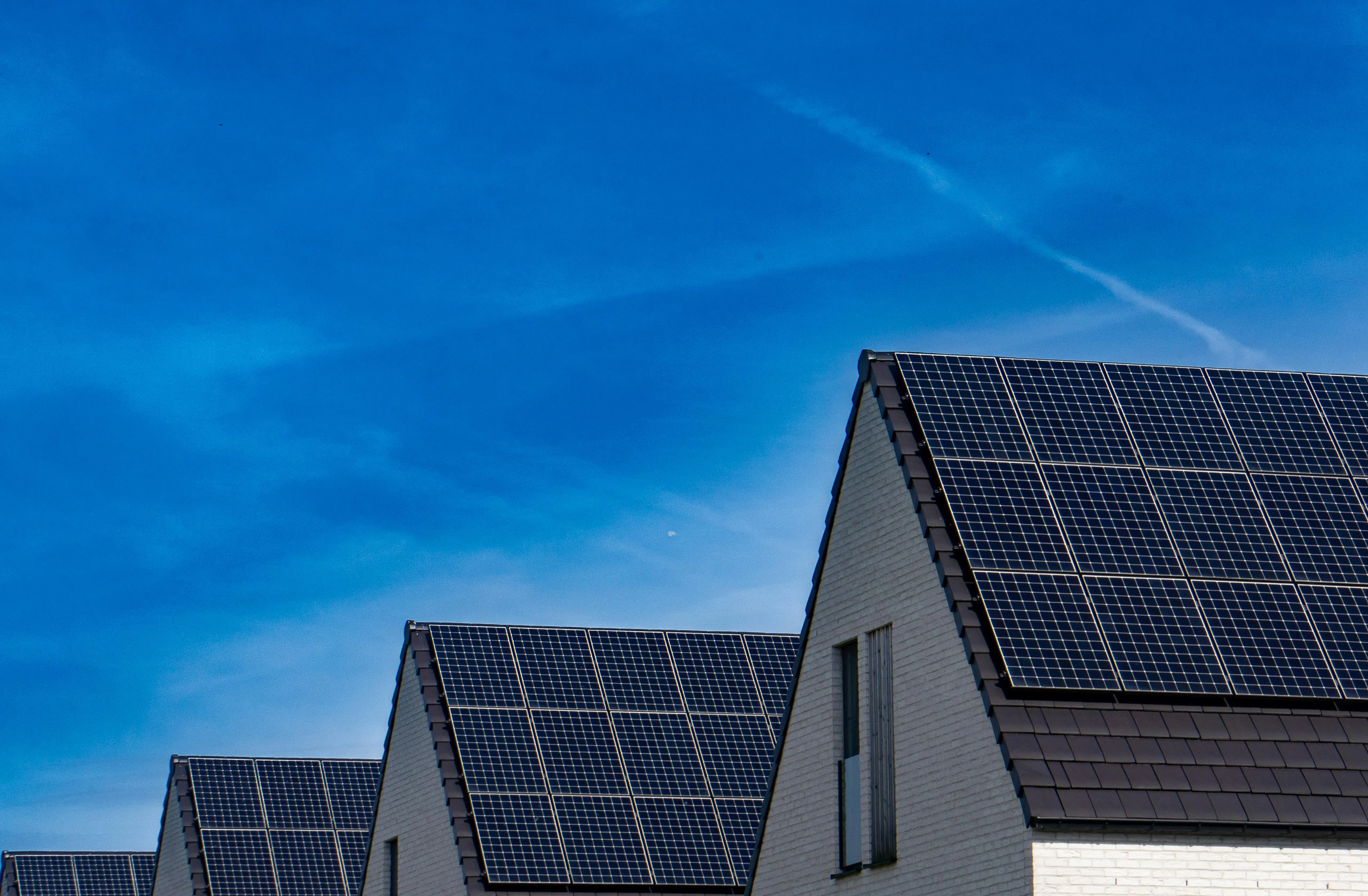
The honest answer is that there’s no single number anyone can give you. Property value depends on location, market conditions, buyer preferences, and dozens of other factors. But the evidence consistently points in one direction: homes with better energy ratings sell for more, and solar panels are one of the most effective ways to improve your rating.
The BER Connection
This is where the real value lies. In Ireland, the BER (Building Energy Rating) is the primary mechanism through which solar panels affect your home’s market value.
ESRI research found that A-rated homes sell for approximately 9% more than D-rated homes. Each BER grade improvement can add 2 to 3% to property value, though this varies by location and market conditions.
Solar panels typically improve a home’s BER by 1 to 3 grades, depending on the starting point and system size. A home sitting at a D2 might jump to a C1 or B3 with a well-sized solar PV system. That jump translates directly into a measurable price premium.
For a home worth €350,000, a 2 to 3% increase per BER grade improvement means a potential uplift of roughly €7,000 to €21,000. In practice, the figure probably sits somewhere in the middle. A reasonable estimate for most homes would be €3,000 to €10,000 of added value from solar panels, though this depends heavily on how much the BER actually improves.
For more on how solar affects your BER specifically, see our solar panels and BER rating guide.
What the Research Says
Irish-specific research on solar panels and property value is still limited. Most of the evidence comes from the BER premium studies and from international markets.
In Ireland, the ESRI/SEAI research is the strongest data point. It clearly shows that energy-efficient homes command a price premium. As BER ratings become more prominent in property listings (they’re now mandatory), this premium is likely to grow.
In the UK, studies have found green home premiums ranging from 1 to 9%, varying by location and study methodology. The UK market is the closest comparison to Ireland in terms of climate, housing stock, and buyer behaviour.
Internationally, research from various property markets has found that homes with solar panels sell for 3 to 4% more on average. Climate and energy market differences mean these figures don’t translate directly to Ireland, but they confirm the broader trend.
The pattern across all markets is consistent. Energy-efficient homes sell faster and for more money. The premium varies, but it’s always positive.
Why Buyers Care About Solar
The value premium isn’t just about the BER certificate. Buyers are increasingly thinking about energy costs and sustainability when choosing a home.
Lower Running Costs
This is the most compelling factor for most buyers. A home with solar panels has measurably lower electricity bills. For a buyer comparing two similar properties, the one with solar panels and lower running costs has a clear financial advantage. The payback period matters less to a buyer who inherits an already-installed system.
Protection Against Rising Energy Prices
Energy prices in Ireland have been volatile. Buyers understand that a home generating its own electricity is partially insulated from future price increases. This peace of mind has real value, even if it’s hard to put a number on.
Upcoming Rental BER Requirements
For anyone buying a property as an investment, BER requirements for rental properties are tightening. A home that already meets or exceeds the minimum BER for rental is worth more to an investor than one that needs upgrades before it can be let.
Environmental Values
A growing segment of buyers actively seek homes with lower carbon footprints. This isn’t the primary driver for most people, but it’s a meaningful factor for some. It can be the tiebreaker between two otherwise similar properties.
When Solar Adds the Most Value
Not every installation adds the same amount of value. Solar panels have the biggest impact on property value when:
The home has a poor starting BER. A jump from D to B is far more valuable than a jump from B to A. Buyers notice the difference between a poorly rated home and a well-rated one. If your home is currently rated D or E, solar panels (possibly combined with other upgrades) can deliver a significant BER improvement and a corresponding value boost.
The system is well-sized and relatively new. A modern system with 20+ years of warranty remaining is worth more than an older system approaching end of life. Buyers factor in the remaining useful life when assessing value.
The roof faces south or south-east/south-west. Optimal orientation means higher output, lower bills, and a better BER improvement. Buyers who understand solar (and estate agents certainly do now) will recognise a well-positioned system.
Battery storage is included. A system with battery storage is more attractive because it allows the household to use more of its own generated electricity, reducing reliance on the grid further.
When Solar Adds Less Value
There are situations where the property value impact is smaller.
The home already has a good BER. If your home is already rated B or above, solar panels will improve it further, but the marginal value of going from B to A is less dramatic than going from D to B. The financial case for solar still works (through bill savings and payback), but the resale premium is smaller.
The system is old or nearing end of life. Solar panels last 25 to 30 years, but a system that’s 20 years old has limited remaining value to a buyer. Inverters typically need replacing after 10 to 15 years. An old system with a degraded inverter is less of a selling point.
Panels are on a north-facing roof. Poor orientation means lower output and a smaller BER improvement. This is uncommon (most installers wouldn’t recommend it), but if it’s the case, the value add is minimal.
The local market doesn’t reward it. In some rural areas or lower-price brackets, buyers may be more focused on price per square foot than energy efficiency. The BER premium is strongest in urban and suburban markets where competition between buyers is higher.
Transferring Warranties and Export Agreements
If you’re selling a home with solar panels, there are a few practical things to sort out.
Panel and Inverter Warranties
Most solar panel manufacturers offer 25-year performance warranties. These typically transfer automatically with the property. Check your warranty documentation and include it in your sale pack. Having transferable warranties adds buyer confidence.
MSS Export Agreement
If you’re selling electricity back to the grid through the Micro-generation Support Scheme, the export agreement can be transferred to the new homeowner. The buyer’s electricity supplier will need to set up a new account, but the MSS registration transfers with the property. Make sure to inform the buyer about this benefit. It’s a genuine selling point.
Documentation
Keep records of your installation, including the installer’s details, system specifications, warranty certificates, and any grant documentation. Having a complete file makes the sale process smoother and gives buyers confidence that the system was professionally installed.
Frequently Asked Questions
How much value do solar panels add to a house in Ireland?
There’s no precise figure, but a reasonable estimate is €3,000 to €10,000 for an average Irish home. The actual amount depends on how much the solar panels improve your BER rating, your location, and market conditions. The value comes primarily through the BER improvement rather than the panels themselves.
Do estate agents mention solar panels in listings?
Yes, increasingly so. Solar panels and BER ratings are now prominent features in property listings. Estate agents report that energy-efficient features are among the first things buyers ask about, particularly since energy prices rose sharply in recent years.
Should I install solar panels just to increase my property value?
Probably not as the sole reason. The stronger case for solar is the ongoing savings on electricity bills and protection against energy price increases. The property value increase is a bonus on top of those savings. If you’re planning to sell within a year or two, the upfront cost may not be fully recovered through the sale price alone. But if you’ll live in the home for a few years first, you benefit from both the savings and the eventual resale premium.
Does the size of the solar system matter for property value?
Larger systems improve the BER more and generate more electricity, so they generally add more value. But there are diminishing returns. A system sized appropriately for the home’s consumption is more attractive to buyers than an oversized system. Read our guide on how many solar panels you need for sizing advice.
Will solar panels affect my home insurance?
Solar panels are a permanent addition to your home and should be covered by your buildings insurance. Most insurers cover them without additional premium, but you need to notify your insurer. See our solar panels and home insurance guide for details.
Do buyers prefer solar panels over other energy upgrades?
It depends on the home. In a poorly insulated home, buyers might value insulation more than solar because it addresses comfort as well as cost. In an already well-insulated home, solar is the logical next step. The ideal scenario for maximum property value is a home with both good insulation and solar panels, resulting in an A or B BER rating.