Solar Panels and Home Insurance in Ireland: What You Need to Know
Do You Need to Tell Your Insurer About Solar Panels?
You should notify your home insurer before or shortly after getting solar panels installed. In most cases it won’t increase your premium, but failing to notify could affect a future claim.
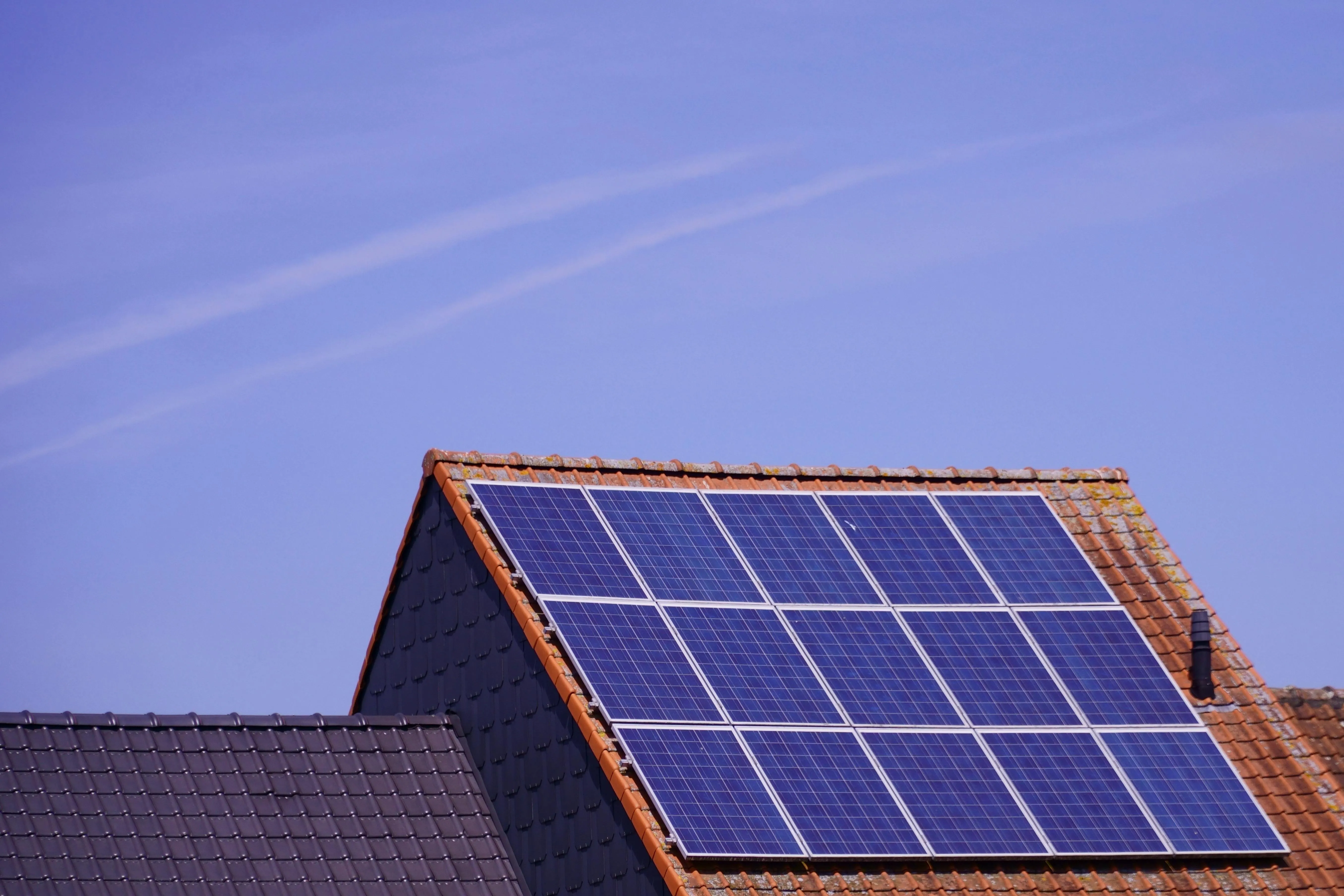
Solar panels are a material change to your property. They’re bolted to your roof, connected to your electrical system, and add value to your home. Your insurer needs to know about them for the same reason they need to know about an extension or a new conservatory. It changes the risk profile of the building.
This isn’t optional. Your home insurance policy almost certainly includes a condition requiring you to notify the insurer of any material alterations. Adding 15 to 20 panels to your roof qualifies.
The good news is that the notification itself is straightforward. A phone call or email to your insurer is usually all it takes. They’ll update your policy, and in most cases that’s the end of it.
Will Solar Panels Increase Your Premium?
For most homeowners, no. Or at least not by any meaningful amount.
Solar panels are now common enough in Ireland that insurers treat them as a standard home improvement. Many major Irish insurers include solar panels under existing buildings cover without any additional charge.
Some homeowners report small premium increases to reflect the higher rebuild cost of their property. This makes sense. If your home were destroyed, the rebuild would now include reinstalling a solar panel system worth several thousand euro. Your sum insured may need to increase accordingly.
A few things to check with your insurer:
- Does your buildings sum insured need updating? If your system cost €6,000, your rebuild cost is now €6,000 higher
- Are solar panels explicitly included or excluded? Most standard policies cover them as fixtures, but it’s worth confirming
- Is there a limit on renewable energy equipment? Some policies cap coverage for solar at a set amount
If your current insurer isn’t willing to cover solar panels or wants to charge a disproportionate amount, it’s worth shopping around. Solar is mainstream now, and any insurer still treating it as unusual is behind the times.
What Does Home Insurance Cover?
Once your insurer knows about your solar panels, they’re typically covered under your buildings insurance for damage caused by:
- Storm and wind damage (panels dislodged, mounting brackets damaged)
- Fire (electrical fire affecting panels or caused by panels)
- Lightning strike
- Theft (panels stolen from the roof, though this is rare in Ireland)
- Falling objects (tree branches, debris)
- Flood damage (to ground-mounted systems or inverters in flooded areas)
Solar panels are considered permanent fixtures once installed. They’re attached to the structure of your home, so they fall under buildings cover rather than contents cover. This is an important distinction. Make sure your buildings policy is the one that includes them.
What’s NOT Typically Covered?
Home insurance covers sudden, unexpected damage from external events. It does not cover:
- Wear and tear. Panels degrade slowly over time. This is expected and falls outside insurance cover
- Manufacturer defects. If a panel fails due to a manufacturing fault, that’s a warranty claim, not an insurance claim
- Inverter failure. Inverters have a shorter lifespan than panels (10 to 15 years vs 25 to 30 years). Replacing a failed inverter is a maintenance cost
- Accidental damage by the homeowner. If you damage panels while cleaning them or working on your roof, this may not be covered unless you have accidental damage cover on your policy
- Poor installation. If panels weren’t fitted correctly and this leads to roof leaks or damage, the installer’s insurance and workmanship warranty should cover it, not your home insurance
- Underperformance. Panels producing less electricity than expected is not an insurable event
The line between insurance and warranty is important. Your home insurance handles things that happen to the panels (storms, fire, theft). Warranties handle things wrong with the panels (defects, degradation, installation quality).
Installer’s Insurance: What It Covers
Any reputable solar installer carries public liability insurance. This covers damage that occurs during the installation process. If a roofer drops a panel and cracks your tiles, or if wiring work causes an electrical issue, the installer’s insurance pays for the repair.
Before hiring an installer, ask to see their:
- Public liability insurance certificate (adequate public liability insurance, typically several million euro)
- Employer’s liability insurance (if they have employees on site)
The installer’s insurance covers the installation period. Once the job is finished and signed off, responsibility for the panels transfers to you and your home insurance policy.
If damage is discovered after installation that was clearly caused during the work, such as a roof leak that starts immediately after panels are fitted, the installer’s workmanship warranty covers this.
Warranty vs Insurance: Know the Difference
There are three layers of protection for your solar panel system, and they cover different things.
Panel Manufacturer Warranty
Solar panel manufacturers typically offer two warranties:
- Product warranty (10 to 15 years). Covers defects in materials and workmanship of the panel itself
- Performance warranty (25 to 30 years). Guarantees the panel will still produce at least 80% to 85% of its rated output after 25 years
If a panel stops working or degrades faster than the warranty promises, the manufacturer replaces it.
Installer Workmanship Warranty
Your installer should provide a workmanship warranty covering the quality of the installation, typically for 5 to 10 years. This covers things like:
- Roof penetrations that weren’t sealed properly
- Mounting brackets that come loose
- Wiring faults from the installation
This is separate from the panel manufacturer’s warranty. The installer is responsible for how the system was put on your roof. The manufacturer is responsible for the panels themselves.
Home Insurance
Your home insurance covers damage from external events. A storm rips panels off your roof, a fire damages the system, someone steals your panels. These are insurance claims.
Think of it this way: the manufacturer covers the product, the installer covers the work, and your insurer covers the unexpected.
Steps to Take When Getting Solar Panels
Before Installation
- Call your insurer. Let them know you’re planning to install solar panels. Ask if your policy will cover them and whether your sum insured needs updating
- Check your installer’s insurance. Ask for a copy of their public liability insurance certificate
- Understand your warranties. Know what the panel manufacturer covers and what the installer covers
After Installation
- Confirm with your insurer that the panels are now on your policy. Get this in writing
- Update your sum insured to reflect the added value of the system
- Keep all documentation. Store these safely:
- Installation certificate and completion cert
- Product warranty documents for panels and inverter
- Installer’s workmanship warranty
- Photos of the completed installation
- ESB Networks connection agreement (if you’re exporting to the grid)
- Electrical compliance certificate (RECI cert)
These documents are essential if you ever need to make a claim. Without them, proving what was installed, when, and by whom becomes much harder.
Frequently Asked Questions
Do solar panels void my home insurance?
No. Solar panels do not void your insurance, but you must notify your insurer. Failing to tell them about a material change to your property could give them grounds to reject a future claim. A quick phone call is all it takes.
Will solar panels increase my home’s rebuild cost?
Yes, by the cost of the system. A typical 4 kW system costs €6,000 to €9,000. Your sum insured should increase by this amount to make sure you’re not underinsured.
What if my insurer won’t cover solar panels?
Shop around. Most Irish insurers now cover solar panels as standard. If your current provider charges a significant premium or excludes them entirely, get quotes from other providers. Solar is a normal home improvement at this point.
Are ground-mounted solar panels covered?
Usually, but check your policy. Ground-mounted systems may be treated differently from roof-mounted ones because they’re not attached to the building structure. Some policies cover them under buildings insurance, others under contents, and some may require a specific addition to the policy.
Do I need separate insurance for a solar battery?
Battery storage systems are typically covered under the same buildings insurance as the panels, since they’re a permanent part of your home’s electrical system. Let your insurer know about the battery as well as the panels. Read more about solar battery storage and whether it makes sense for your home.
Does getting solar panels affect my property value and insurance together?
Solar panels can increase your property value, which means your rebuild cost goes up. This is another reason to update your sum insured after installation. The increase in property value is a benefit, but your insurance needs to reflect the current replacement cost of your home.
What happens if solar panels damage my roof?
If the damage is caused by poor installation, the installer’s workmanship warranty should cover the repair. If a storm or other insured event causes panels to shift and damage your roof, that’s a home insurance claim. The cause determines who pays.