Solar Panels for Farms in Ireland: TAMS Grant and What to Know
Why Farms Are a Good Fit for Solar
Farms are well suited to solar. Large roof areas, high daytime electricity usage, and access to the TAMS 3 grant (up to 60% of costs) make the financials attractive.
Most farm operations use electricity during daylight hours, which is exactly when solar panels generate power. Milking parlours, cooling tanks, water pumps, ventilation systems, and workshop equipment all draw power during the day. That means a high percentage of the electricity generated gets used on-site rather than exported at a lower rate.
Add in the TAMS 3 grant, which covers 60% to 80% of the installation cost, and the payback period on a farm solar system is significantly shorter than for most domestic installations.
TAMS 3 Solar PV Grant Explained
The Targeted Agricultural Modernisation Scheme (TAMS 3) is a Department of Agriculture grant scheme for farm modernisation. Solar PV is one of the eligible investments.
Here are the key details.
Grant Rate
- 60% of eligible costs for all applicants
- Up to 80% for qualifying young trained farmers (under 41 at the time of application, with a relevant agricultural qualification)
What It Covers
- Supply and installation of solar PV panels on agricultural buildings
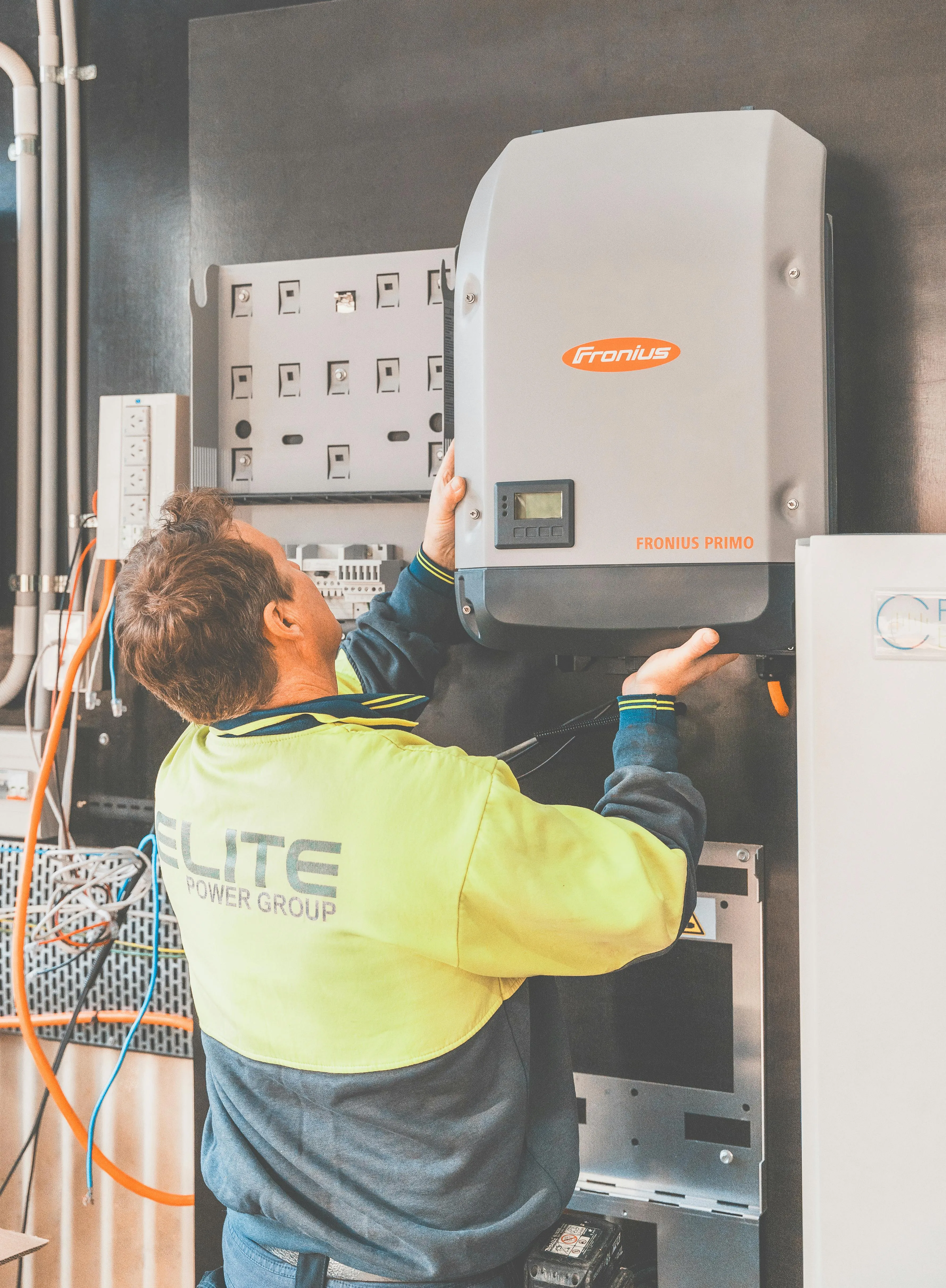
- Inverters, mounting systems, and associated electrical work
- Battery storage (where included as part of the solar PV system)
Eligibility Requirements
- You must be a registered farmer with a herd number
- The system must be installed on an agricultural building (not the farmhouse)
- The installation must be carried out by a registered contractor
- The system size should be proportionate to the farm’s electricity consumption
- You must apply and receive approval before starting any work. Do not order panels or sign contracts before your TAMS application is approved
How to Apply
Applications go through the Department of Agriculture’s online system. You will need quotes from registered contractors, farm details, and recent electricity bills to demonstrate consumption. Your agricultural advisor can help with the application.
TAMS vs SEAI Grant: Which One Applies?
This is a common point of confusion. The short version:
- TAMS 3 covers solar panels on farm buildings (sheds, parlours, poultry houses, workshops)
- SEAI grant (up to €1,800) covers solar panels on the farmhouse (your home)
These are two separate grants from two different bodies. You cannot claim both for the same installation. But if you want panels on the milking parlour and panels on the house, you can apply for TAMS for the farm building and SEAI for the dwelling. They are completely independent of each other.
The SEAI grant is capped at €1,800 for a domestic installation. TAMS covers a percentage of costs, so for larger farm systems the grant amount is typically much higher. A 30 kW system costing €30,000 with a 60% TAMS grant gives you €18,000 back. That is a very different scale to the domestic grant.
For full details on the SEAI domestic grant, see our SEAI solar grant guide.
Typical System Sizes for Farms
Farm solar systems are significantly larger than domestic ones. A typical home installation is 3 to 6 kW. Farm systems start at 10 kW and can exceed 100 kW depending on the operation.
| Farm Type | Typical System Size | Main Electricity Uses |
|---|---|---|
| Small farm / workshop | 10 - 20 kW | Workshop tools, lighting, water pumps |
| Dairy farm | 20 - 50 kW | Milking parlour, bulk tank cooling, water heating, pumps |
| Tillage farm | 15 - 30 kW | Grain drying, storage ventilation, workshop |
| Poultry / pig farm | 30 - 100 kW | Ventilation, heating, lighting, feed systems |
The right system size depends on your electricity consumption profile. A system that is too large will export more than it uses, reducing the financial return. Your installer should review 12 months of electricity bills to size the system correctly.
What Do Farm Solar Systems Cost?
Larger systems benefit from economies of scale. The cost per kW drops as system size increases.
| System Size | Approximate Cost (before grant) | With 60% TAMS Grant | With 80% TAMS Grant (Young Farmer) |
|---|---|---|---|
| 10 kW | €10,000 - €12,000 | €4,000 - €4,800 | €2,000 - €2,400 |
| 20 kW | €18,000 - €22,000 | €7,200 - €8,800 | €3,600 - €4,400 |
| 30 kW | €27,000 - €33,000 | €10,800 - €13,200 | €5,400 - €6,600 |
| 50 kW | €40,000 - €50,000 | €16,000 - €20,000 | €8,000 - €10,000 |
Costs vary depending on roof type, mounting requirements, distance from the meter board, and whether any electrical upgrades are needed. These figures are a guide. Get a site-specific quote for accurate pricing.
For a full breakdown of residential solar costs, see our solar panel cost guide.
Payback Period
For a dairy farm with a 30 kW system and high self-consumption (using 70% or more of the generated electricity on-site), payback after the TAMS grant is typically four to seven years. With the 80% young farmer rate, it can be under four years.
The key factor is self-consumption. Electricity you use on-site offsets what you would otherwise buy from the grid at 30c to 40c per kWh. Electricity you export earns roughly 10c to 18c per kWh depending on your supplier. The more you use on-site, the faster the system pays for itself.
For a deeper look at payback calculations, see our solar panel payback period guide.
What Farms Use Electricity For (and Why It Matters for Solar)
Solar works best when electricity demand aligns with generation. Here is how common farm operations line up.
Dairy farms are particularly well suited. Milking typically happens twice daily (morning and afternoon), bulk tank cooling runs throughout the day, and water heating for parlour cleaning uses significant electricity. Most of this aligns well with solar generation hours.
Poultry and pig farms run ventilation, lighting, and climate control systems continuously. These are heavy electricity users with consistent daytime demand, making them excellent candidates for larger solar installations.
Tillage farms have more seasonal demand. Grain drying in late summer and autumn can use large amounts of electricity, but overall consumption may be lower during other months. A smaller system sized to baseline demand often makes more sense.
Mixed farms with workshops benefit from solar even if individual demands are modest. Welders, compressors, power tools, and lighting all add up, and they tend to be used during the day.
Tax Relief: Accelerated Capital Allowances
Farm solar installations qualify for Accelerated Capital Allowances (ACA), which allow the full cost of the equipment to be written off against tax in the year of purchase rather than over the standard eight-year depreciation period. This is a significant benefit for profitable farm businesses and is separate from the TAMS grant.
Your accountant can advise on whether ACA makes sense for your situation. The combination of TAMS grant plus ACA can substantially reduce the effective cost of a solar installation.
Planning Permission for Farm Solar
Planning rules for farm solar are different from residential.
Roof-Mounted Panels on Agricultural Buildings
Solar panels mounted on existing agricultural buildings are generally exempt from planning permission provided the panels do not extend more than a certain distance above the roof surface and the building is not a protected structure. This covers most standard farm shed and parlour installations.
Ground-Mounted Arrays
Ground-mounted solar arrays on agricultural land typically do require planning permission if they exceed a certain size. Smaller arrays (under 25 square metres) may be exempt, but anything larger will need a planning application. Ground-mounted systems are less common on farms because most operations have ample roof space, but they are an option where roof orientation is poor or buildings are unsuitable.
What to Check
- Confirm exemption status with your local planning authority before proceeding
- Protected structures and conservation areas have different rules
- Any system feeding into the grid above a certain capacity may need ESB Networks approval regardless of planning status
For the full picture on planning rules, including domestic installations, see our solar panel planning permission guide.
Selling Surplus Electricity Back to the Grid
Any electricity your farm system generates but does not use can be exported to the grid. Under the Clean Export Guarantee (CEG), electricity suppliers must offer a payment for exported units. Current rates range from roughly 10c to 18c per kWh depending on the supplier and tariff.
For farm businesses, this is a useful secondary income stream. But the primary financial benefit of solar comes from reducing the electricity you buy, not from selling what you generate. Size the system for self-consumption first, and treat export income as a bonus.
For more on export tariffs and how they work, see our guide to selling solar electricity back to the grid.
Frequently Asked Questions
Can I get both TAMS and SEAI grants for solar?
Not for the same installation. TAMS covers farm buildings and SEAI covers the farmhouse. If you want solar on both, you can apply for each grant separately for each installation. They are administered by different bodies and have different eligibility criteria.
How long do farm solar panels last?
Solar panels typically come with 25 to 30 year performance warranties. Inverters generally last 10 to 15 years and may need replacing once during the panel lifespan. Maintenance costs are minimal. Occasional cleaning and an electrical check every few years is usually sufficient.
Do I need three-phase power for a farm solar system?
Most farm systems above 10 kW connect to a three-phase supply, which is standard on most Irish farms. If your farm only has single-phase, your installer will advise on whether an upgrade is needed. ESB Networks handles three-phase connections.
Can I add battery storage to a farm solar system?
Yes. Battery storage is eligible under TAMS 3 when installed as part of a solar PV system. Batteries allow you to store daytime generation for evening or early morning use. Whether they make financial sense depends on your consumption pattern. Farms with high overnight electricity use (ventilation, cooling) benefit more from storage.
What happens if I expand my farm operation after installing solar?
You can add more panels later, though it is generally more cost-effective to install the right size from the start. A second TAMS application for additional capacity may be possible, but check with the Department of Agriculture on whether this is allowed under the scheme rules.
Will solar panels damage my farm building roof?
A proper installation should not damage the roof. Mounting systems for agricultural buildings are designed for metal profile roofing (which most farm sheds have). The installer should check the structural integrity of the roof before installation. Older buildings may need some remedial work before panels can be fitted.