Are Solar Panels Worth It in Ireland? An Honest Assessment
Are Solar Panels Worth It in Ireland?
For most Irish homes, yes. A typical solar PV system pays for itself in 5 to 7 years and lasts 25 years or more. After the payback period, you’re generating electricity for essentially nothing.
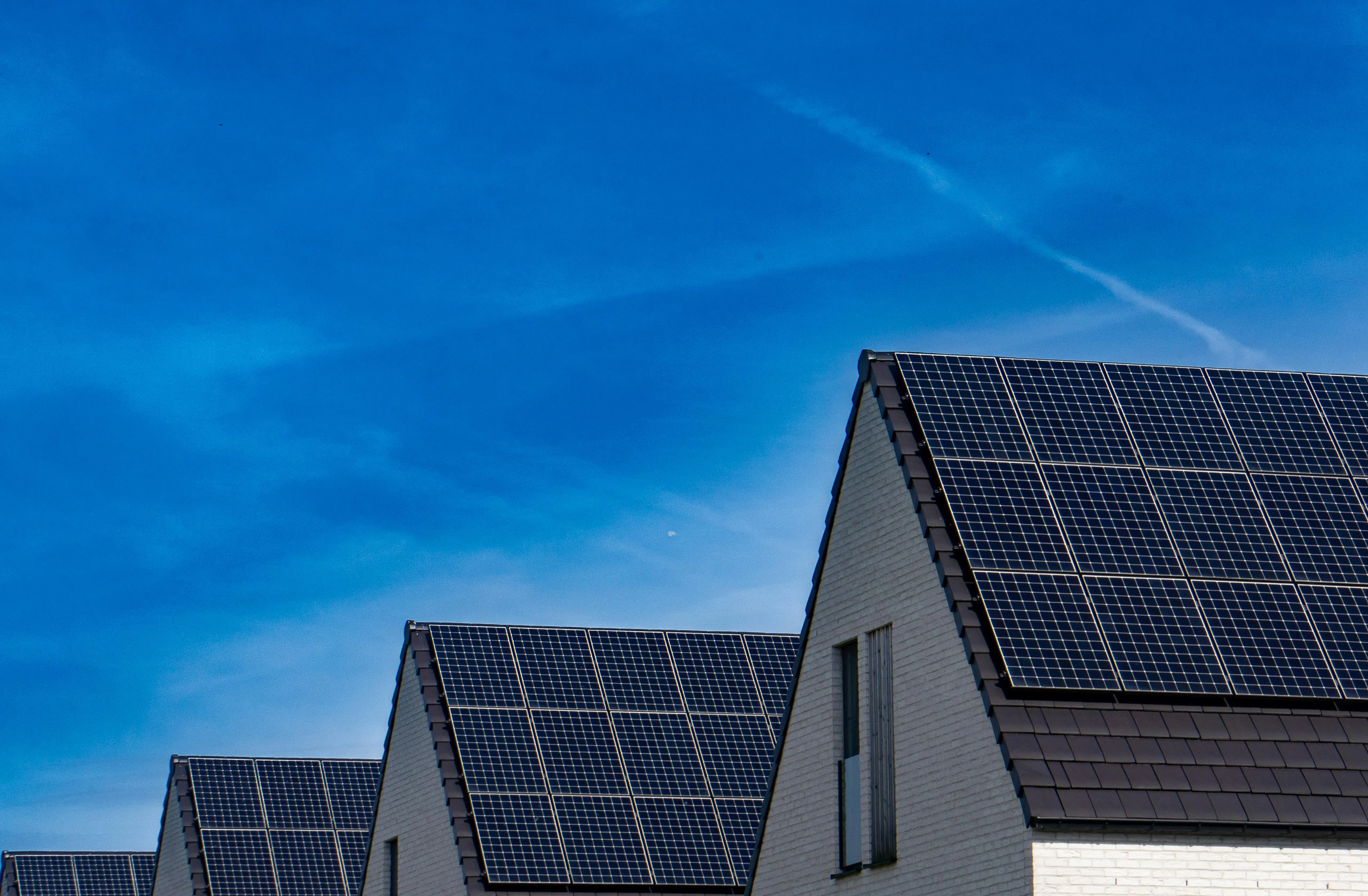
But solar isn’t the right choice for every home. This guide walks through the real numbers, shows you when solar makes strong financial sense, and is honest about when it might not.
The Financial Case for Solar
There are four ways solar panels save (or earn) you money.
1. Lower Electricity Bills
A 4kW solar system on a typical Irish home generates around 3,400 to 3,800 kWh per year. You won’t use all of that directly, as solar generates most during the day. Without a battery, most households self-consume around 30% of what their panels produce.
At current electricity prices of roughly €0.35 to €0.40 per kWh, that direct usage saves €350 to €450 annually. With a battery boosting self-consumption to 60-70%, savings climb to €600 to €800 per year.
2. SEAI Grant
The SEAI solar PV grant covers up to €1,800 of the installation cost. This is available for homes built and occupied before 2021 and significantly reduces the upfront investment. The grant applies to systems up to 4kW.
3. Export Payments
Any electricity your panels generate that you don’t use gets exported to the grid. Under the Microgeneration Support Scheme (MSS), energy suppliers typically pay 15 to 24c per kWh for exported electricity, depending on your supplier. For a typical system without a battery, this adds €300 to €400 per year in income.
4. Protection Against Rising Prices
Irish electricity prices have been volatile. Every unit of electricity you generate yourself is one you don’t buy at whatever the retail rate happens to be in five, ten, or fifteen years. As prices rise, the value of your solar system increases with them. This is a benefit that’s hard to quantify precisely but very real for long-term homeowners.
Worked Example: 4kW System on a 3-Bed Semi
Here’s what the numbers look like for the most common scenario in Ireland.
| Amount | |
|---|---|
| System cost (installed) | €5,900 to €7,900 |
| SEAI grant | -€1,800 |
| Your cost | €4,100 to €6,100 |
| Annual electricity savings | €400 to €550 |
| Annual export income | €300 to €400 |
| Total annual benefit | €700 to €950 |
| Payback period | 5 to 7 years |
After the payback period, those savings continue for another 18 to 20 years. Over the full 25-year lifespan, a €5,100 investment (mid-range after grant) delivers €15,000 to €20,000 in total value. Panels degrade at roughly 0.5% per year, so a system still produces around 88% of its original output at year 25.
For a more detailed cost breakdown by system size, see our complete solar panel cost guide.
When Solar Might NOT Be Worth It
This is where most solar guides stop being honest. There are genuine situations where solar panels are not a good investment. Here are the main ones.
Your Roof Faces North
Solar panels need sunlight. A south-facing roof is ideal, and south-east or south-west works well too. East or west facing roofs still produce around 80% of the output of a south-facing array, which can still make sense financially.
But a north-facing roof produces significantly less. If north is your only option, the payback period stretches well beyond 10 years, and the investment becomes harder to justify.
Your Electricity Usage Is Very Low
If you live alone in a small apartment and your annual electricity bill is under €600, solar panels may not save enough to justify the upfront cost. The financial case is strongest for homes using 4,000 kWh or more per year. The average Irish household uses around 4,200 kWh.
You’re Planning to Move Soon
Solar panels increase property value (more on that below), but the financial payback takes 5 to 7 years. If you’re likely to sell within two or three years, you may not recoup enough through savings to make it worthwhile. You’ll recover some through the property value uplift, but probably not the full investment.
Your Roof Needs Replacement
Solar panels last 25 to 30 years. If your roof needs replacing in the next 5 to 10 years, do the roof first. Removing and reinstalling panels to replace a roof underneath adds unnecessary cost. Get the roof sorted, then install solar.
Heavy Shading
Trees, neighbouring buildings, or chimneys that cast shadow over your roof for large parts of the day will significantly reduce output. Modern panels and optimisers handle partial shading better than older systems, but a heavily shaded roof is still a poor candidate. A good installer will assess this during a site survey.
Already Very Energy Efficient
If you’ve already invested heavily in insulation, a heat pump, and efficient appliances, and your electricity bills are already quite low, the marginal return from solar is smaller. It can still make sense, but the payback period is longer.
Factors That Improve the Case
On the flip side, several things make solar an even better investment.
High Electricity Usage
The more electricity you use, the more each unit of solar generation is worth. Homes using 5,000 kWh or more per year see faster payback. Anything you use directly from the panels saves the full retail rate, not just the export rate.
South or South-West Facing Roof
Ideal orientation maximises generation. A south-facing roof at a 30 to 35 degree pitch is the sweet spot for Ireland’s latitude.
Daytime Usage Patterns
Solar generates during the day. If someone is home during the day, or you can shift usage (running the washing machine, dishwasher, or immersion during daylight hours), you’ll self-consume more and save more. Smart timers make this straightforward.
Working from Home
This is a big one that’s changed the equation for many households since 2020. If one or two people work from home, daytime electricity usage is much higher. Laptops, monitors, heating, kettles, lights. All running during peak solar generation hours.
EV Charging
Charging an electric car from your solar panels is one of the highest-value uses of solar electricity. You avoid paying €0.35+ per kWh for charging and can schedule charging during peak generation hours. If you have or plan to get an EV, solar becomes significantly more attractive.
Planning to Stay Long Term
Solar is a long-term investment. If you plan to be in your home for 10 years or more, you’ll capture the full payback and then enjoy years of near-free electricity.
What About Batteries?
Battery storage changes the solar equation. Without a battery, you self-consume around 30% of what your panels generate. A battery boosts that to 60-70%.
The trade-off is cost. A home battery adds €3,000 to €6,000 to the system price. Whether that extra investment pays for itself depends on your usage pattern and how much you value energy independence over pure financial return.
For most homes, the payback on the battery alone is longer than the payback on the panels. But paired together, total savings are higher. It comes down to budget and priorities.
We cover this in detail in our solar battery storage guide.
BER Rating and Property Value
Solar panels improve your BER (Building Energy Rating). A better BER rating makes your home more attractive to buyers and can increase its value. Research from the ESRI suggests that each improvement in BER band adds €5,000 to €10,000 to a property’s sale price.
Beyond the BER, solar panels are increasingly seen as a desirable feature by homebuyers. As energy costs remain a concern, a home that generates its own electricity has a clear selling point.
Read more in our guides on solar panels and BER ratings and solar panels and property value.
What About Winter?
A common concern. Ireland’s winters are short on daylight, and solar output drops significantly from November to February. A 4kW system might produce 5 to 8 kWh per day in December compared to 15 to 20 kWh in June.
But solar panels work on daylight, not direct sunlight. Even on overcast days, they generate electricity. The annual figures already account for winter. When people quote 3,400 to 3,800 kWh per year for a 4kW system, that includes the quieter months.
If winter performance concerns you, our solar panels in winter guide covers this in detail.
The Bottom Line
For a typical Irish home with a south-facing roof, reasonable electricity usage, and plans to stay put for several years, solar panels are one of the best home investments you can make. The combination of SEAI grants, export payments, and rising electricity prices means the payback period is shorter than ever.
But they’re not for everyone. If your roof faces north, you’re planning to move soon, or your usage is very low, the numbers may not work. There’s no shame in that. Better to know before you invest than after.
The best way to find out is to get a quote specific to your home.
Frequently Asked Questions
How long do solar panels last?
Most solar panels come with a 25-year performance warranty guaranteeing at least 80% of original output. In practice, panels often last 30 years or more. Inverters typically need replacing once during the panel lifespan, at a cost of €800 to €1,500.
Do solar panels work on cloudy days?
Yes. Solar panels generate electricity from daylight, not direct sunlight. Output is lower on overcast days, but Ireland’s climate is factored into all the annual generation figures used in this guide.
Is the SEAI grant still available in 2026?
Yes. The SEAI solar PV grant of up to €1,800 remains available for eligible homes. For full details on eligibility and how to apply, see our SEAI solar grant guide.
Can I get solar panels on a flat roof?
Yes. Panels are mounted on angled frames on flat roofs. This actually allows the installer to choose the optimal angle and orientation. The main consideration is whether the flat roof has sufficient structural strength and whether planning permission is required.
Do I need planning permission for solar panels?
In most cases, no. Solar panels are exempt from planning permission for residential properties in Ireland, provided they meet certain conditions (not protruding more than 150mm from the roof surface and not on the front of the house in certain areas). There is no roof area limit for houses. Check with your local authority if you’re unsure.
How many panels do I need for a 3-bed semi?
A typical 3-bed semi-detached house suits a 3kW to 4kW system, which is 8 to 10 panels. This covers a significant portion of the average household’s electricity usage. The right size depends on your roof space, budget, and consumption.
Will solar panels damage my roof?
Properly installed solar panels should not damage your roof. Mounting brackets are fixed to the rafters, and any penetrations are sealed. A good installer will assess your roof condition before installation and flag any issues.