How Much Do Solar Panels Cost in Ireland in 2026?
What Do Solar Panels Cost in Ireland?
A typical solar panel system for an Irish home costs between €6,000 and €9,000 before the SEAI grant, or €4,200 to €7,200 after it. That’s for a 4 kW system, which suits most 3-bed semi-detached houses.
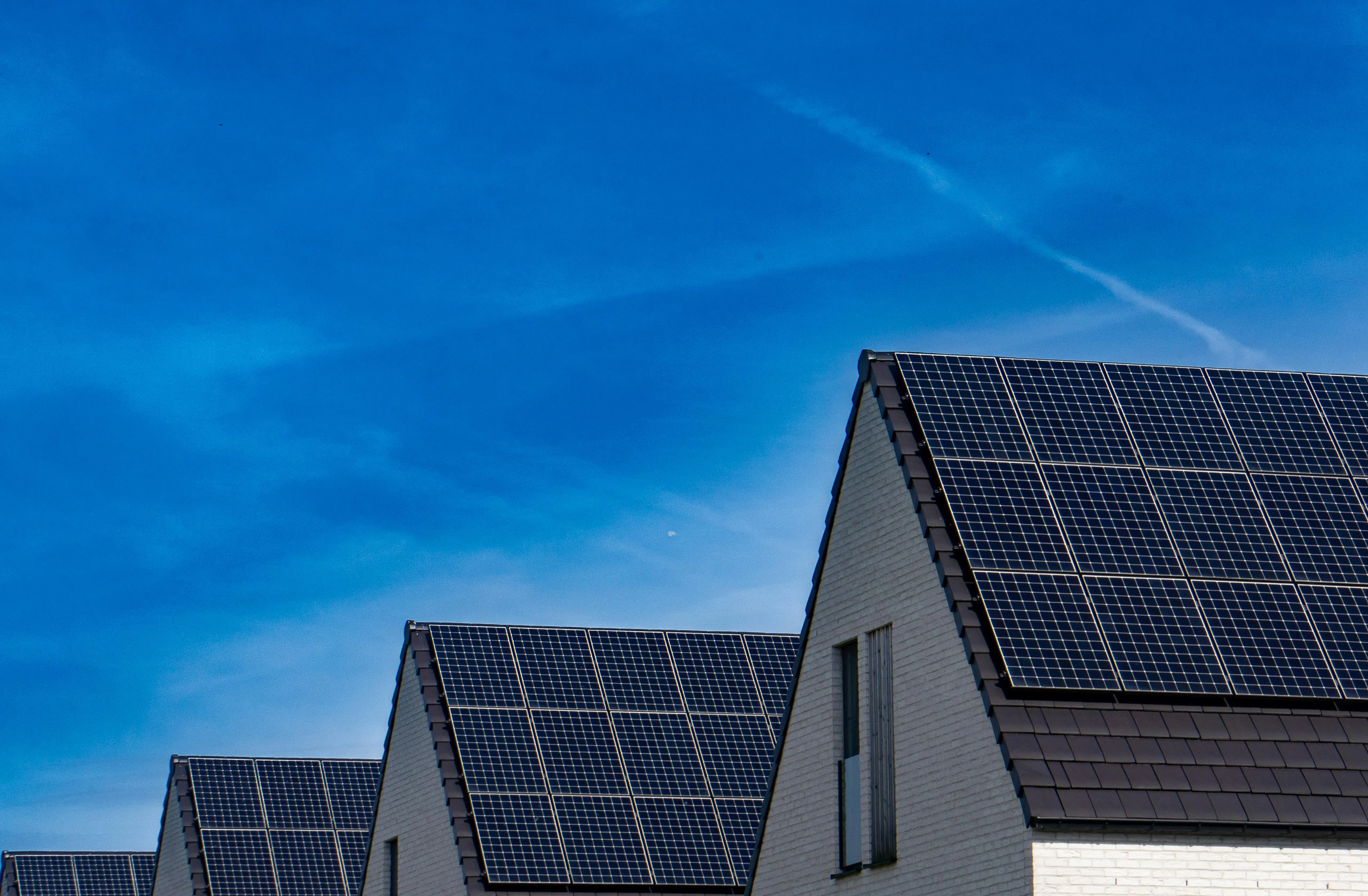
The exact cost depends on system size, panel brand, inverter type, and roof complexity. Smaller systems start from around €1,500 before grants. Larger systems for high-usage homes can exceed €12,000. The table below breaks it all down by system size.
Cost by System Size
| System Size | Panels (approx) | Cost Before Grant | SEAI Grant | Cost After Grant | Est. Annual Savings |
|---|---|---|---|---|---|
| 1 kW | 2-3 | €1,500 - €2,500 | €700 | €800 - €1,800 | €150 - €250 |
| 2 kW | 5-6 | €3,000 - €4,500 | €1,400 | €1,600 - €3,100 | €300 - €450 |
| 3 kW | 7-8 | €4,500 - €6,500 | €1,600 | €2,900 - €4,900 | €450 - €600 |
| 4 kW | 10-11 | €6,000 - €9,000 | €1,800 | €4,200 - €7,200 | €600 - €800 |
| 5 kW | 12-14 | €7,500 - €10,500 | €1,800 | €5,700 - €8,700 | €750 - €950 |
| 6 kW+ | 15+ | €9,000 - €12,000 | €1,800 | €7,200 - €10,200 | €900 - €1,200 |
The average Irish home uses around 4,200 kWh of electricity per year. A 3 to 4 kW system covers a good portion of that during daylight hours. Don’t oversize your system unless your usage is genuinely high or you want to maximise export income from selling surplus electricity back to the grid.
Annual savings vary depending on your electricity usage patterns, how much you use during daylight, and your export tariff rate. The figures above are conservative estimates based on typical household usage.
What’s Included in the Price?
A standard solar installation quote should cover everything needed to get a working system on your roof. Here’s what to expect:
- Solar panels mounted on your roof
- Inverter (converts DC from panels to AC for your home)
- Mounting system and rails to secure panels to the roof
- AC/DC cabling connecting everything together
- Generation meter to track what the system produces
- Installation labour (typically one to two days)
- ESB Networks notification (required before connecting)
- System commissioning and handover with documentation
Some items may not be included and should be checked:
- Battery storage is a significant additional cost, typically €3,000 to €6,000. It’s not part of a standard quote. Read our solar battery storage guide for more on this
- Scaffolding may be needed for certain roof types or heights
- Electrical panel upgrade if your existing consumer unit is too old or doesn’t have space
- BER assessment (required for the SEAI grant, usually €150 to €200, sometimes included in the quote)
Always ask exactly what’s included before comparing quotes. A quote that looks cheaper may be missing items that another installer has priced in.
The SEAI Solar Grant
The SEAI solar PV grant offers up to €1,800 towards the cost of a domestic solar PV system. The grant is €700 per kWp for the first 2 kWp and €200 per kWp for each additional kWp up to 4 kWp.
Key things to know:
- Your home must have been built and occupied before 2021
- The work must be done by an SEAI-registered contractor
- A BER assessment is required before and after installation
- The grant is applied by the installer, so you don’t pay the full amount upfront and claim back. You pay the reduced price
- There is no means test. Any eligible homeowner can apply
The grant makes a meaningful difference to the upfront cost, but the real financial benefit of solar comes from the electricity savings over 25+ years of use.
For full details on eligibility, how to apply, and what’s required, read our complete SEAI solar grant guide.
What Affects the Cost of Solar Panels?
System Size
This is the biggest factor. A larger system costs more in total, but the cost per kW drops as you scale up. A 1 kW system might cost €1,500 to €2,500 per kW, while a 6 kW system works out closer to €1,300 to €1,800 per kW.
The right size depends on your electricity usage, available roof space, and budget. An installer can advise on the best fit after reviewing your electricity bills and roof. For more on sizing, see our guide on how many solar panels you need.
Panel Brand and Efficiency
Not all panels are created equal, but the price differences are smaller than most people expect.
Mid-range panels from manufacturers like JA Solar, Trina, and LONGi offer the best value for most homes. They’re reliable, efficient, and come with 25-year performance warranties.
Premium panels from brands like SunPower cost more but deliver slightly higher efficiency. This matters most when roof space is limited and you need to maximise output from fewer panels.
The total system cost difference between mid-range and premium panels is often only €500 to €1,000. Both will perform well for decades. Your installer can recommend the right option for your situation.
Inverter Type
The inverter converts the DC electricity from your panels into AC electricity for your home. There are three main types:
String inverters are the most common and most affordable option. All panels connect in a series (string) to a single inverter. They work well when all panels face the same direction and aren’t affected by shading.
Micro-inverters (such as Enphase) sit behind each individual panel. They cost more but perform better when panels face different directions or when some panels are partially shaded. Each panel operates independently, so shading on one doesn’t drag down the others.
Power optimisers (such as SolarEdge) are a middle ground. They pair with a central inverter but give each panel individual optimisation.
For a straightforward south-facing roof with no shading, a string inverter is the most cost-effective choice. If your roof has complications, the extra cost of micro-inverters or optimisers is usually worth it.
Roof Type and Orientation
Your roof affects both the cost of installation and how much electricity the system generates.
Orientation: South-facing roofs produce the most electricity (100% of potential output). East or west-facing roofs still work well at around 85% output. North-facing roofs are generally not suitable for solar.
Pitch and type: A standard pitched roof with concrete tiles is the simplest and cheapest to work with. Slate roofs require more care during installation. Flat roofs need angled mounting frames to tilt panels towards the sun, which adds a small cost.
Shading: Trees, chimneys, dormer windows, or neighbouring buildings that cast shadows on your roof reduce output. If shading is significant, micro-inverters become more important, which increases the system cost.
Battery Storage (Optional)
Adding a battery lets you store excess solar electricity generated during the day and use it in the evening. It’s a popular addition but a significant extra cost.
Typical battery prices range from €3,000 to €6,000 for a 5 to 10 kWh battery. A battery can increase your self-consumption of solar electricity from around 30% to roughly 70%, meaning less electricity bought from the grid.
However, adding a battery extends the payback period by two to three years. Batteries make the most financial sense for households with high evening electricity usage. If you’re mostly at home during the day, you’ll naturally use more solar electricity directly and a battery adds less value.
For a deeper look, read our solar battery storage guide.
Payback Period: How Long Until Solar Pays for Itself?
Here’s a worked example for a typical 4 kW system on a 3-bed semi-detached house.
System cost after SEAI grant: €5,700 (mid-point of the €4,200 to €7,200 range)
Annual electricity savings: €1,050 to €1,200 (based on using roughly 3,000 kWh of self-generated solar electricity at €0.35 to €0.40 per kWh, offset against what you’d pay the grid)
Annual export income: €100 (based on exporting surplus electricity under the Micro-generation Support Scheme at current tariff rates)
Total annual benefit: €1,150 to €1,300
Simple payback period: 4 to 5 years
System lifespan: 25 to 30 years (panels are typically warranted for 25 years)
Estimated lifetime savings: €20,000 to €30,000
These figures are conservative. If electricity prices rise, and they have risen consistently over the past decade, the payback period shortens and lifetime savings increase. Even with a 5-year payback on a 25-year asset, the return is strong.
For a more detailed breakdown, see our solar panel payback period guide.
Is There VAT on Solar Panels in Ireland?
Solar panels currently benefit from a 0% VAT rate in Ireland. This applies to both the panels and the installation labour. It’s a significant saving, as the standard VAT rate of 23% would add thousands to the cost.
This 0% rate was introduced to encourage adoption of renewable energy. It’s worth confirming the current status with your installer at the time of quoting, as VAT policy can change.
How to Get Good Value
Getting a good deal on solar isn’t just about finding the lowest price. Here’s practical advice for making sure you get value for money.
- Get multiple quotes. Prices vary between installers. Comparing two or three quotes for the same system size helps you understand the market rate in your area
- Compare like for like. Make sure quotes specify the same system size, panel brand, and inverter type. A cheaper quote might use lower-quality components
- Ask what’s included. Use the checklist above. A quote missing scaffolding, BER assessment, or ESB notification isn’t a fair comparison
- Check the installer handles the SEAI grant paperwork. Most do, but confirm this upfront so there are no surprises
- Don’t just pick the cheapest. Check reviews, ask about warranty terms, and confirm how they handle issues after installation. The cheapest installer isn’t always the best value over 25 years
- Consider timing. Summer is peak season for solar installations in Ireland. Booking in spring or autumn may mean shorter waiting times and occasionally better pricing
Frequently Asked Questions
Are solar panels worth it in Ireland?
Yes, for most homes. With a typical payback period of four to five years and a system lifespan of 25+ years, the financial case is strong. You also get protection against future electricity price increases and a higher BER rating for your property. Read our full analysis: are solar panels worth it in Ireland?
How many panels do I need?
A rough rule of thumb is 1 kW of solar per 1,000 kWh of annual electricity usage. The average Irish home uses around 4,200 kWh per year, making a 3 to 4 kW system (8 to 11 panels) a good starting point. Your installer will size the system based on your actual usage and roof space. See our solar panel sizing guide for more detail.
Do I need planning permission for solar panels?
Generally no. Since October 2022, there is no area limit for solar panels on houses. The previous 12 square metre and 50% roof area restrictions were removed. There are still rules for apartments, listed buildings, and homes in architectural conservation areas. Read our solar planning permission guide for the specifics.
Can I sell excess electricity back to the grid?
Yes. Under the Micro-generation Support Scheme (MSS), electricity suppliers are required to offer a payment for exported solar electricity. Tariff rates vary by supplier. This income adds to the overall financial return of your system, though self-consumption (using the electricity yourself) is always more valuable per kWh than exporting. See our guide on selling solar electricity back to the grid.
What size system suits a 3-bed semi?
A 3 to 4 kW system (8 to 11 panels) is the most common choice for a standard 3-bed semi-detached house. This typically costs €4,200 to €7,200 after the SEAI grant. It covers a significant portion of daytime electricity needs without oversizing. Read our solar panels for a 3-bed semi guide for a specific breakdown.