Solar Battery Storage in Ireland: Costs and Benefits
What Does Solar Battery Storage Cost in Ireland?
A home battery typically costs €3,000 to €6,000 on top of your solar panel system. Whether it’s worth it depends on how and when you use electricity.
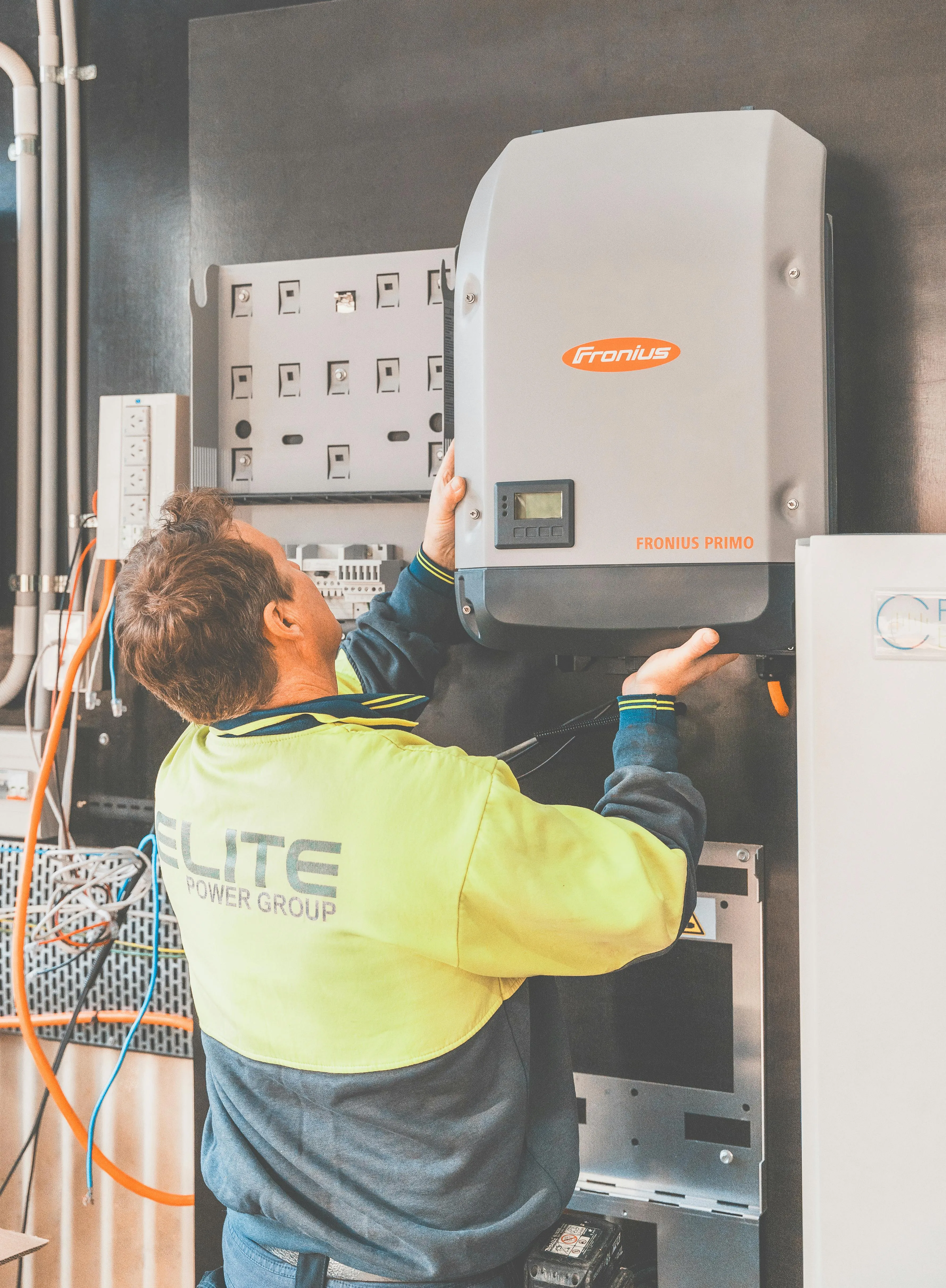
That’s a significant chunk of money on top of an already substantial investment. Batteries are the most oversold part of the solar industry in Ireland right now. Some installers push them on every quote because they increase the job value. This guide will help you figure out whether a battery actually makes sense for your home, or whether there’s a cheaper way to get most of the same benefit.
What Does a Solar Battery Actually Do?
Your solar panels generate the most electricity during the middle of the day. If you’re at work, most of that power gets exported to the grid. You get paid for it through the microgeneration support scheme, but the rate is low (typically 18 to 24 cent per kWh) compared to what you pay to import electricity in the evening (around 35 to 45 cent per kWh).
A battery stores that excess daytime generation so you can use it in the evening and overnight. Instead of buying electricity from the grid at peak rates, you’re using your own stored solar power.
Without a battery, a typical Irish home uses about 30% of the solar electricity it generates. The rest gets exported. With a battery, self-consumption jumps to around 60 to 70%. That’s a meaningful difference, but the question is whether the savings justify the upfront cost.
Battery Cost by Capacity
| Battery Size | Typical Cost (Installed) | Best For |
|---|---|---|
| 5 kWh | €3,000 - €4,000 | 1-2 bed, low to medium usage |
| 10 kWh | €4,500 - €6,000 | 3-4 bed, average usage |
| 15 kWh | €6,500 - €8,500 | Large homes, EV charging, high usage |
These prices include installation but are on top of your solar panel system cost. A battery can be added at the same time as your panels or retrofitted later, though adding it later usually costs slightly more due to a second installation visit.
One important note: as of early 2026, there is no standalone SEAI grant for battery storage. The SEAI solar grant covers the solar PV system itself, but the battery is an additional cost that comes entirely out of your pocket. This is an area that may change as battery adoption grows, so check the SEAI website for the latest position.
When a Battery Makes Financial Sense
A battery isn’t right for every home. Here are the situations where it genuinely pays off.
You Use Most of Your Electricity in the Evening
This is the big one. If your household is empty during the day and everyone comes home at 5 or 6pm, you’re currently exporting cheap solar and importing expensive grid power. A battery flips that equation. The higher your evening usage, the faster the battery pays for itself.
You Have an Electric Vehicle
EV owners use a lot of electricity, often in the evening or overnight. Charging your car from stored solar instead of grid power can save significant money over the year. If you’re adding 8,000 to 12,000 km per year, the savings from solar charging add up quickly.
You Work from Home with a Heat Pump
Heat pumps are efficient but use a fair amount of electricity, especially in winter. If you’re home during the day, you’ll already be using a good portion of your solar directly. But a battery lets you store excess summer generation for evening heating demand. The combination of a heat pump and a battery tends to push self-consumption up towards 70% or more.
You Want Backup Power
Some battery systems offer backup functionality during power cuts. This isn’t a primary financial justification, but if you live in an area with unreliable supply, it’s a genuine benefit. Not all battery systems support this, so check before assuming.
When a Battery Probably Isn’t Worth It
This is where most guides stop being honest. A battery doesn’t make sense for everyone, and spending €4,000 to €6,000 on something that doesn’t pay back within its lifespan is a poor investment.
You’re a Low Usage Household
If your annual electricity bill is modest (under €1,200 per year), the absolute savings from a battery are small. You might save €200 to €300 per year, which means a 10 kWh battery takes 15 to 20 years to pay back. Batteries typically last 10 to 15 years. The maths doesn’t work.
You’re Already Home During the Day
If you’re retired, working from home, or have a busy household during the day, you’re probably already using 40 to 50% of your solar generation directly. A battery improves this, but the marginal gain is smaller. You might be better off with a hot water diverter (more on that below).
Your Budget Is Tight
If you’re stretching to afford solar panels, adding a battery is almost certainly the wrong call. Solar panels alone already deliver excellent returns. Adding €4,000 to €6,000 for a battery that might save an extra €300 per year is a worse use of that money than putting it towards a larger panel array, better insulation, or even just keeping it in savings.
The panels themselves are the core investment. The battery is an optimisation on top of that. Get the panels right first.
You Can Sell Back to the Grid
Ireland’s microgeneration support scheme means you get paid for exported electricity. The rate isn’t amazing, but it’s not nothing either. If you’re exporting excess solar at 20 cent per kWh and avoiding buying at 40 cent, the net benefit of storing it is 20 cent per kWh. That’s real, but modest. Read our guide on selling solar electricity back to the grid for more detail.
Battery vs Hot Water Diverter
Before spending thousands on a battery, consider a hot water diverter. This is one of the most underrated accessories in the solar world.
What Is a Diverter?
A diverter (such as the myenergi eddi) monitors your solar generation in real time. When your panels are producing more than your home is using, instead of exporting the excess, it diverts it to your immersion heater. You get free hot water from electricity that would otherwise be sold to the grid at a low rate.
How Do They Compare?
| Battery | Hot Water Diverter | |
|---|---|---|
| Typical cost (installed) | €3,000 - €6,000 | €300 - €500 |
| Self-consumption boost | 60-70% | 50-55% |
| Lifespan | 10-15 years | 15-20 years |
| Complexity | High (inverter integration) | Low (simple install) |
| Payback period | 8-15 years | 1-2 years |
| Works without panels? | No | No |
A diverter won’t match a battery’s self-consumption numbers, but it gets you from 30% to around 50 to 55% for a fraction of the cost. If you have an immersion heater (most Irish homes do), a diverter is almost always worth adding to a solar system.
The Honest Take
For many Irish homes, the best setup is solar panels plus a diverter. You capture the biggest savings from the panels themselves, the diverter picks up a large chunk of the excess at minimal cost, and the remaining exported electricity earns you something through the grid.
A battery makes the picture better, but the cost per extra unit of self-consumed electricity is much higher. If your budget allows both, great. If you have to choose, the diverter wins on pure return on investment for most households.
Popular Battery Brands in Ireland
Several battery brands are commonly installed across Ireland. Here’s a brief overview.
Huawei Luna is one of the most widely installed batteries in Ireland. Available in 5, 10, and 15 kWh capacities. Modular, so you can start smaller and expand. Generally competitive on price.
Tesla Powerwall has strong brand recognition and a 13.5 kWh capacity. Includes backup power functionality as standard. Tends to sit at the higher end of pricing.
SolarEdge Home Battery integrates well with SolarEdge inverters and optimisers. Available in 10 kWh units that can be stacked. A solid choice if your system already uses SolarEdge.
Sonnen is a German manufacturer with a reputation for build quality. Higher price point, but longer warranty options. More common in larger or premium installations.
All of these are proven products with solid warranties (typically 10 years). Your installer will recommend one based on your inverter, system size, and budget. The differences between brands matter less than getting the right capacity for your usage.
Battery Payback Calculation
Let’s work through a real example. Take a typical 3-bed semi with a 6 kW solar panel system.
Without a battery:
- Annual solar generation: 5,400 kWh
- Self-consumption at 30%: 1,620 kWh used directly
- Exported: 3,780 kWh at 21c/kWh = €794 earned
- Grid electricity avoided: 1,620 kWh at 40c/kWh = €648 saved
- Total annual benefit: €1,442
With a 10 kWh battery (€5,000):
- Self-consumption at 65%: 3,510 kWh used directly
- Exported: 1,890 kWh at 21c/kWh = €397 earned
- Grid electricity avoided: 3,510 kWh at 40c/kWh = €1,404 saved
- Total annual benefit: €1,801
Extra annual saving from battery: €359
At €5,000 for the battery, that’s a payback period of about 14 years. The battery’s expected lifespan is 10 to 15 years. So in this scenario, it barely breaks even over its lifetime.
Change the assumptions (higher electricity prices, higher evening usage, an EV) and the payback shortens. But for an average household, batteries are a marginal financial investment. They make more sense as electricity prices rise and battery costs fall, both of which are likely over the next few years. Check our solar panel payback period guide for a broader look at solar returns.
Frequently Asked Questions
Is there an SEAI grant for solar batteries?
As of early 2026, no. The SEAI solar grant covers the solar PV system (panels and inverter), but there is no standalone grant for batteries. This is widely expected to change as battery adoption grows, so check the SEAI website for the latest position before making a decision.
How long do solar batteries last?
Most home batteries are warrantied for 10 years and are expected to last 10 to 15 years. This is shorter than solar panels, which typically last 25 years or more. You may need to replace the battery once during the life of your solar system.
Can I add a battery to an existing solar system?
Yes. Most battery systems can be retrofitted to an existing solar setup. It’s slightly cheaper to install at the same time as the panels, but adding one later is straightforward. Your installer will need to check that your inverter is compatible or recommend a hybrid inverter upgrade.
Are solar panels worth it without a battery?
Absolutely. Solar panels are worth it for most Irish homes even without a battery. The panels themselves deliver the biggest savings. A battery is an optional extra that increases self-consumption, but the core financial case for solar does not depend on having one.
What size battery do I need?
It depends on your evening and overnight electricity usage. A 5 kWh battery suits a smaller home or lower usage household. A 10 kWh battery covers most 3 to 4 bed homes. Going larger than 10 kWh only makes sense if you have an EV or particularly high usage. Check our guide on how many solar panels you need for help sizing your overall system.
Can a solar battery power my house during a power cut?
Some battery systems offer backup functionality, but not all. If this matters to you, ask specifically about backup capability when getting quotes. Tesla Powerwall includes it as standard. Others may require additional hardware. Note that even with backup, a typical home battery won’t power everything. It will keep essential circuits (lights, fridge, internet) running for several hours.