Solar Panels and Your BER Rating: How Much Do They Help?
How Much Do Solar Panels Improve Your BER Rating?
Solar panels typically improve a BER rating by 1 to 2 grades. A home rated C3 could move to B3 or better with a standard 4kW system. The exact improvement depends on your home’s current rating, its size, and how large a system you install.
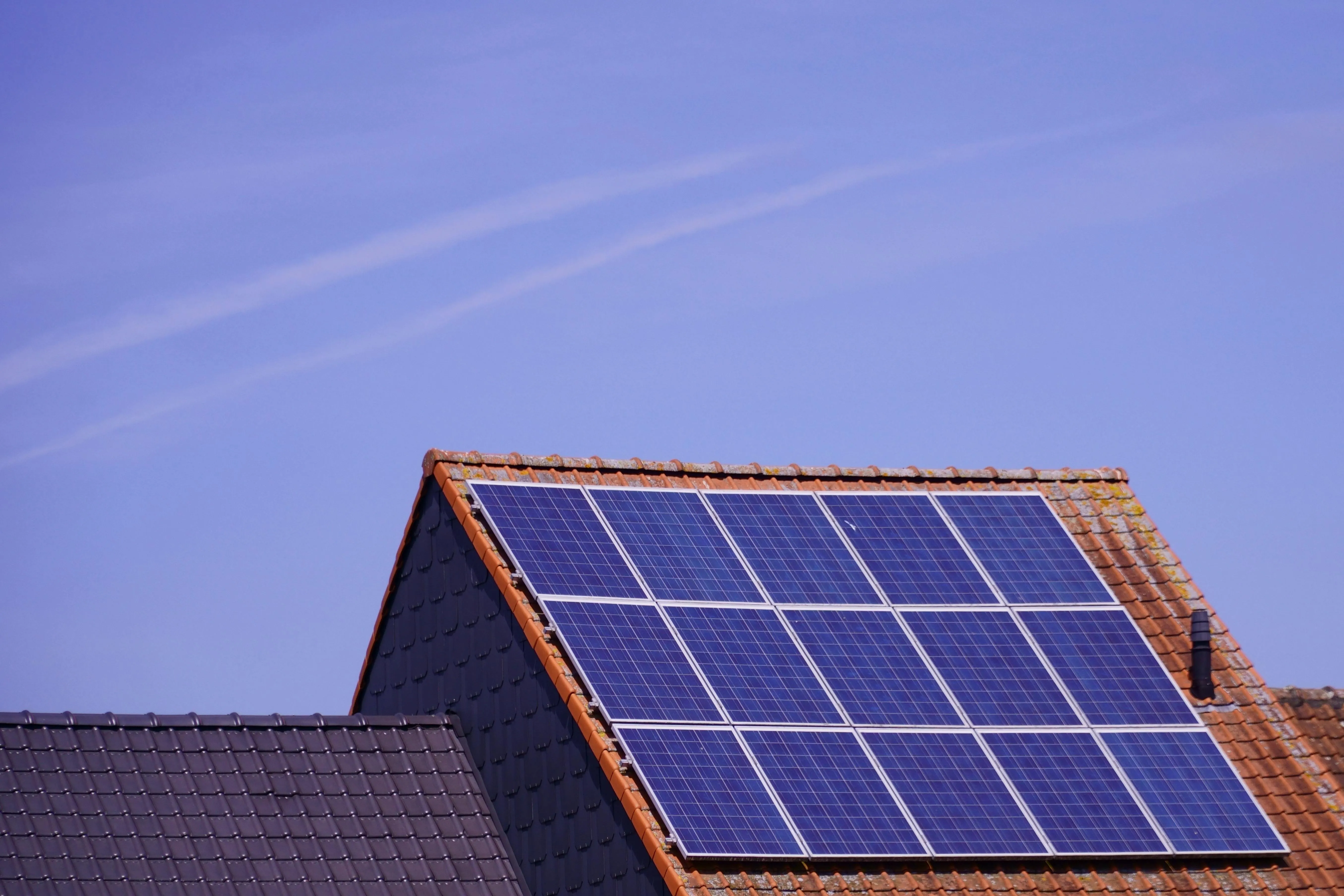
Ireland’s BER (Building Energy Rating) measures a home’s energy efficiency on a scale from A1 (best) to G (worst). Each grade is roughly 25 points wide on the underlying scoring scale. Solar panels improve your score by reducing the amount of primary energy your home draws from the grid, which is exactly what the BER calculation measures.
How Solar Panels Affect the BER Calculation
The BER assessment uses a standardised methodology called DEAP (Dwelling Energy Assessment Procedure). It calculates how much energy your home needs for heating, hot water, lighting, and ventilation. It then factors in any renewable energy your home generates.
When a BER assessor surveys a home with solar PV, they record the system’s capacity and orientation. The DEAP software calculates how much electricity the panels will generate over a year, and subtracts that from the home’s total primary energy use. This directly lowers the kWh/m2/year figure, which is what determines your BER grade.
The key point: solar panels don’t just reduce your electricity bill. They reduce your home’s primary energy consumption on paper, which is what the BER cares about.
Typical BER Improvement by System Size
The table below shows approximate BER point improvements for a standard 3-bed semi-detached house. Actual results vary based on roof orientation, shading, and your home’s existing energy profile.
| System Size | Typical BER Point Improvement | Potential Grade Improvement |
|---|---|---|
| 2kW (5-6 panels) | 10 to 20 points | Up to 1 grade |
| 4kW (10-12 panels) | 20 to 40 points | 1 to 2 grades |
| 6kW (15-18 panels) | 30 to 50 points | 1 to 2 grades |
A few things to keep in mind. South-facing roofs produce more energy, so the BER improvement is larger. East or west-facing systems still work, but contribute roughly 15 to 20% less. A heavily shaded roof will see smaller gains. The assessor accounts for all of this.
If your home is already reasonably efficient (say B3), a 4kW system might push you to B1 or even A3. If you’re starting from D1, the same system might bring you to C1 or C2. Homes with worse starting ratings tend to see bigger absolute point improvements because there’s more room to gain.
For help choosing the right system size, see our guide on how many solar panels you need.
Why Your BER Rating Matters
Property Value
A better BER rating adds real value to your home. ESRI research suggests each BER grade improvement adds roughly 2 to 3% to a property’s value. On a home worth €350,000, moving from C to B could mean €14,000 to €21,000 in added value. This is on top of the energy savings you’re already making from the panels themselves.
For a deeper look at how solar affects what your home is worth, read our solar panels and property value guide.
Rental Regulations
Ireland is moving towards mandatory minimum BER standards for rental properties. A minimum BER of B2 may be required for rental homes by 2030. If you’re a landlord or plan to rent your property in future, getting ahead of this now avoids a scramble later. Solar panels are one of the most straightforward ways to lift a rental property’s BER without major structural work.
Grant Eligibility
SEAI grants for solar panels require a BER assessment before and after installation. The SEAI solar grant currently covers up to €1,800 for a solar PV system. Your home needs to have been built and occupied before a certain date to qualify. A pre-works BER assessment is part of the process.
Energy Costs
A higher BER means lower running costs. Solar panels reduce the amount of electricity you buy from the grid, and the BER improvement reflects that reduction. With electricity prices in Ireland remaining high, the financial case for solar is strong. See our full breakdown on whether solar panels are worth it in Ireland.
The BER Assessment Process for Solar
If you’re installing solar panels and claiming the SEAI grant, you’ll need two BER assessments: one before the installation and one after.
Before installation: A BER assessor surveys your home and produces a certificate showing your current rating. This is your baseline.
After installation: Once the panels are in, you get a second assessment. The assessor records the solar PV system details and the updated BER certificate reflects the improvement.
Each BER assessment typically costs €150 to €200. Some solar installers include the cost of the BER assessment in their quote, so it’s worth asking. A BER certificate is valid for 10 years, so the post-installation cert will serve you well if you decide to sell or rent the property.
You’ll need to use a registered BER assessor. SEAI maintains a list of registered assessors on their website.
Other Measures That Improve BER Alongside Solar
Solar panels are effective on their own, but combining them with other upgrades can push your BER rating significantly higher. If you’re already going through the process of a BER assessment and SEAI grant application, it’s worth considering what else could be done at the same time.
Insulation is often the single biggest factor in a home’s BER. Attic insulation, cavity wall filling, or external wall insulation can each improve your rating substantially. A home with poor insulation will always score badly on BER, regardless of how much renewable energy it generates.
Heat pumps replace oil or gas boilers with a much more efficient heating system. Combined with solar panels, a heat pump can improve a home’s BER from the C or D range into A territory.
Windows and doors with better U-values reduce heat loss. Double glazing to triple glazing is a common upgrade, though it’s expensive relative to the BER points gained.
The One Stop Shop route through SEAI is designed for these combined upgrades. It offers higher grant amounts when multiple measures are done together as part of a planned retrofit.
Frequently Asked Questions
Will solar panels definitely improve my BER rating?
Yes, in virtually all cases. Solar PV reduces your home’s calculated primary energy consumption, which is the core metric behind the BER. The size of the improvement depends on your current rating, home size, and system capacity, but some improvement is almost guaranteed.
Can solar panels alone get me to a B2 rating?
It depends on where you’re starting from. If your home is already rated B3 or C1, a standard 4kW system could push you to B2. If you’re starting from D or lower, solar panels alone are unlikely to get you to B2. You’d typically need insulation upgrades as well.
Do I need a new BER cert after installing solar panels?
You don’t legally need one unless you’re selling, renting, or claiming an SEAI grant. But getting an updated cert is worthwhile because it reflects the true energy performance of your home. If you’re claiming the SEAI solar grant, a post-works BER assessment is mandatory.
Does a battery improve my BER rating?
No. The BER methodology measures energy generation and consumption. A battery stores energy but doesn’t generate it, so it has no impact on the BER calculation. Batteries are useful for maximising self-consumption and reducing electricity bills, but they won’t change your rating.
How long does a BER assessment take?
A typical assessment takes one to two hours on site. The assessor inspects insulation, windows, heating systems, and any renewable energy systems. You’ll usually receive the certificate within a few days.
What’s the cost of solar panels in Ireland?
A standard 4kW residential system typically costs €6,000 to €9,000 before the SEAI grant. After the grant, you’re looking at roughly €4,200 to €7,200. For a full cost breakdown, see our solar panel cost guide.