How Many Solar Panels Do I Need? A Guide for Irish Homes
The Short Answer
A typical Irish home uses around 4,200 kWh of electricity per year. To cover that, you’d need a 3-4 kW solar panel system, which works out at roughly 8 to 11 panels. But the right number for your home depends on your actual electricity usage, roof space, and whether you plan to add an EV charger or heat pump down the line.
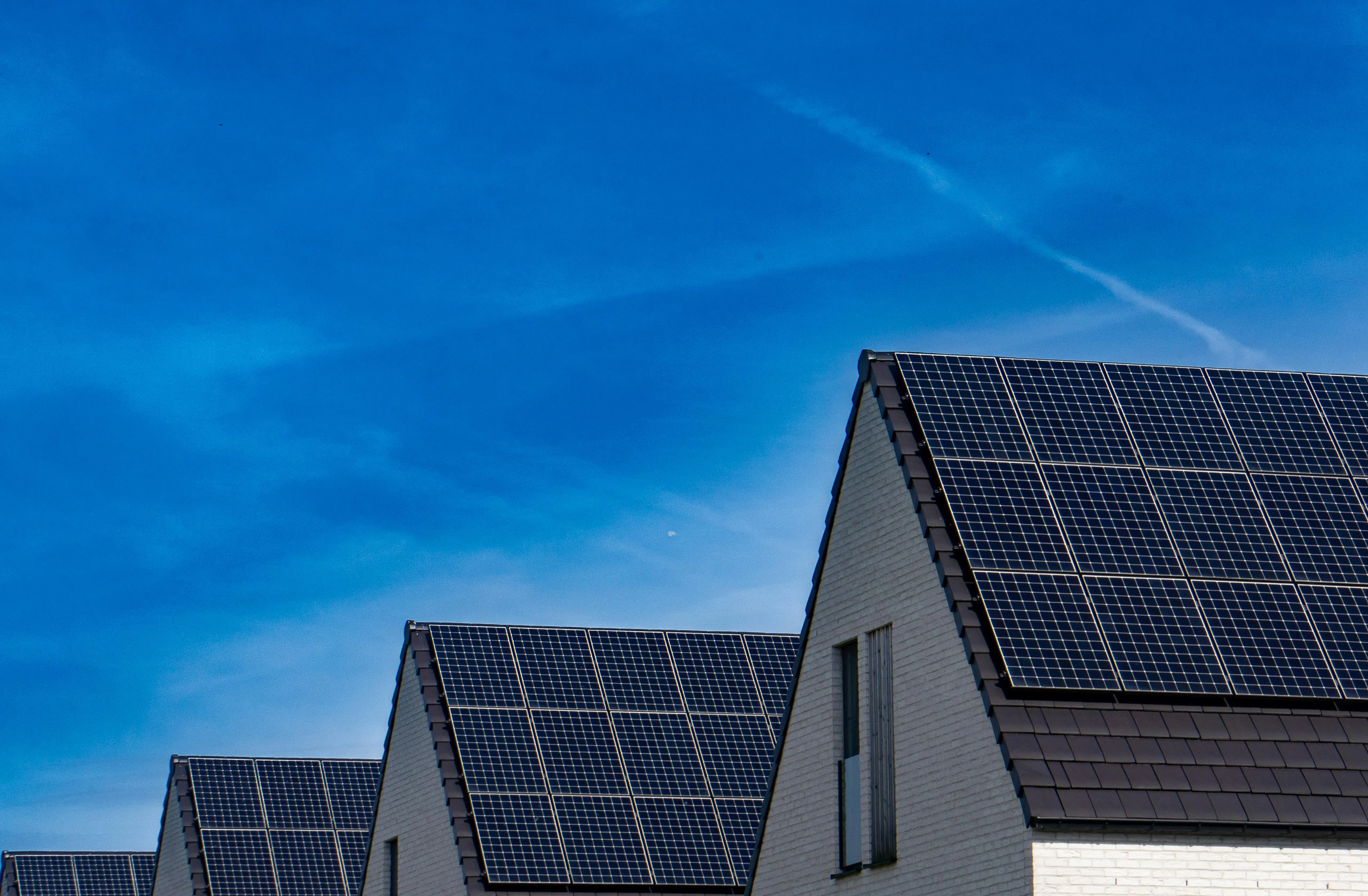
Here’s a quick overview by house type.
Solar Panel Sizing by House Type
| House Type | Typical Usage | System Size | Panels Needed | Approx Cost After Grant |
|---|---|---|---|---|
| 1-2 bed apartment | 2,500-3,500 kWh | 2-3 kW | 5-8 | €2,400-€4,400 |
| 2-3 bed terrace | 3,500-4,500 kWh | 3-4 kW | 7-11 | €2,900-€5,700 |
| 3-bed semi | 4,000-5,000 kWh | 3.5-4.5 kW | 9-12 | €3,500-€6,700 |
| 4-bed detached | 5,000-7,000 kWh | 4-6 kW | 10-16 | €4,200-€9,200 |
| 5+ bed detached | 7,000+ kWh | 5-6 kW+ | 12-18+ | €5,200-€9,200+ |
These costs factor in the SEAI solar grant, which currently covers up to €1,800 of a domestic solar PV installation. For a full cost breakdown, see our solar panel cost guide.
How to Calculate Your Solar Panel Needs
You don’t need to guess. The calculation is straightforward.
Step 1: Find your annual electricity usage. Check your electricity bill or ESB Networks account. You’re looking for your yearly kWh figure. If you can only see bi-monthly usage, multiply one bill by six for a rough annual total.
Step 2: Divide by 1,100. In Ireland, a well-positioned solar panel system generates roughly 1,100 kWh per kWp installed per year. The south coast gets a bit more, the north-west a bit less, but 1,100 is a solid national average.
Step 3: That gives you your system size in kWp. For example, if your home uses 4,400 kWh per year: 4,400 / 1,100 = 4 kWp system.
Step 4: Divide the system size by individual panel wattage. Modern panels are typically rated at 400-450W each. A 4 kWp system using 420W panels needs 10 panels (4,000 / 420 = 9.5, rounded up).
This calculation gives you the system size to cover your full annual usage. In practice, most homes don’t need to cover 100% because you won’t use all the electricity as it’s generated. Without a battery, you’ll typically self-consume around 30% of what your panels produce. The rest gets exported to the grid, where you receive the Clean Export Guarantee (CEG) payment, currently around 18-24c per kWh depending on your supplier.
Sizing by House Type in Detail
1-2 Bed Apartment
Most apartments use 2,500 to 3,500 kWh per year. A 2-3 kW system (5 to 8 panels) will cover a significant portion of that. The limiting factor is usually roof access. If you’re in a managed complex, you’ll need management company approval before installing. Some apartments have dedicated roof space, others don’t.
2-3 Bed Terrace
Terraced houses typically use 3,500 to 4,500 kWh per year. A 3-4 kW system (7 to 11 panels) is the sweet spot. Roof space is often tighter on terraces, and orientation matters more. If your roof faces east-west rather than south, you may need a slightly larger system to compensate for the lower output per panel.
3-Bed Semi-Detached
This is the most common house type in Ireland, and 4,000 to 5,000 kWh per year is typical. A 3.5-4.5 kW system (9 to 12 panels) fits most 3-bed semis well. The rear roof is usually south or south-west facing, which is ideal. For a deeper look at this house type specifically, read our guide on solar panels for a 3-bed semi.
4-Bed Detached
Detached homes use more electricity, typically 5,000 to 7,000 kWh per year, and they also tend to have more roof space to work with. A 4-6 kW system (10 to 16 panels) is the usual recommendation. Larger roof areas mean fewer constraints, and many homeowners in this bracket choose to size up to accommodate future EV charging.
5+ Bed Detached
Larger homes with high electricity usage (7,000+ kWh) may need a 5-6 kW+ system (12 to 18+ panels). These homes often have the roof space to go bigger, and with SEAI grants capped at the same level regardless of system size, the economics still work well. If you’re running a heat pump and charging an EV, sizing towards the upper end makes sense.
Roof Space Requirements
Each modern solar panel measures roughly 1.7 square metres (about 1m x 1.7m). You also need small gaps between panels and clearance from roof edges, so in practice each panel needs about 2 square metres of usable roof space.
Here’s what that means in practice:
- 8 panels: ~16m² of usable roof space
- 12 panels: ~24m² of usable roof space
- 16 panels: ~32m² of usable roof space
A typical semi-detached house has around 20 to 30 square metres of usable south-facing roof. A detached house may have 30 to 50 square metres. Most homes can fit 10 to 16 panels without difficulty.
Roof orientation matters too. South-facing at a pitch of 30 to 35 degrees is optimal. East or west-facing roofs still work but produce about 15-20% less energy. North-facing roofs are generally not suitable.
If your roof has dormers, skylights, chimneys, or vents, these reduce the usable area. Your installer will assess this during a site survey.
Factors That Change the Number of Panels
The table above covers typical usage, but several things can push your needs higher.
EV Charging
An electric car driven 15,000 km per year adds roughly 2,500 to 3,000 kWh to your annual electricity usage. If you’re planning to buy an EV in the next few years, it’s worth sizing your solar system to account for it now. Adding panels later is possible but costs more per panel than doing it in one installation.
Heat Pump
Switching from oil or gas to a heat pump typically adds 3,000 to 5,000 kWh to your electricity consumption, depending on home size and insulation level. Homes with heat pumps are among the best candidates for solar because they shift energy costs entirely to electricity, where solar can offset them.
Working From Home
If one or two people work from home regularly, daytime electricity usage is higher. This is actually good news for solar because you’ll self-consume a larger percentage of what your panels generate, which improves the economics. You may not need a bigger system, just know that your payback period will be shorter.
Battery Storage
A battery storage system lets you store excess solar generation for use in the evening. With a battery, you can self-consume 60-80% of your solar output instead of 30%. This doesn’t change how many panels you need, but it changes how much value you get from them. Batteries add €3,000 to €6,000 to the system cost but improve the overall return, particularly for homes with high evening usage.
Common Mistakes When Sizing a Solar System
Oversizing Without Reason
Bigger is not always better. If you don’t have an EV, heat pump, or particularly high usage, a system that generates far more than you use gives diminishing returns. You’ll export more to the grid at a lower rate than you’d pay to buy it back. Size for your actual needs, with modest room for growth.
Ignoring Shading
Even partial shading from trees, neighbouring buildings, or chimneys can significantly reduce panel output. Modern systems use optimisers or microinverters to minimise the impact, but heavy shading on several panels will hurt overall performance. This is why a proper site survey matters more than an online estimate.
Not Checking Roof Orientation
Panels on a south-facing roof at 30-35 degrees will generate the most electricity. East and west-facing roofs are still viable but produce less. If your only suitable roof faces east-west, you may need 20% more panels to achieve the same annual output. Your installer should model this accurately. Planning permission is generally not required for domestic solar panels, but there are exemption conditions around size and placement.
Forgetting About Winter
Solar panels produce less in winter, with November, December, and January being the lowest months. A 4 kW system might generate 15+ kWh on a long summer day but only 2-4 kWh on a short winter day. This is normal. The system is designed to work across a full year, not to cover your needs every single day.
Frequently Asked Questions
How many solar panels do I need for a 3-bed semi in Ireland?
A typical 3-bed semi uses 4,000 to 5,000 kWh per year. A 3.5-4.5 kW system using 9 to 12 panels is the standard recommendation. This covers a large portion of annual usage and fits comfortably on most semi-detached roofs.
Can I generate all my electricity with solar panels?
Over a full year, yes, a correctly sized system can generate as much electricity as you use. But solar generation and household usage don’t always align. You’ll export surplus in summer and buy from the grid in winter. A battery helps close the gap but won’t eliminate grid dependence entirely.
Do I need planning permission for solar panels in Ireland?
Most domestic solar panel installations are exempt from planning permission, provided they meet certain conditions around size and placement. Read our planning permission guide for the full details.
Is it worth adding extra panels for future use?
If you’re likely to add an EV or heat pump within the next five years, yes. Adding panels later costs more per panel due to the fixed costs of scaffolding, electrical work, and a second installation visit. Sizing slightly above current needs is a reasonable investment.
How many panels can I fit on my roof?
A standard semi-detached roof can typically fit 10 to 16 panels. Detached homes with larger roofs can often fit 16 to 20+. The usable area depends on orientation, pitch, and obstructions like skylights or chimneys. Your installer will confirm this during a site survey.
What’s the difference between kW and kWh?
kW (kilowatts) measures the power capacity of your system. kWh (kilowatt-hours) measures the energy it produces or you consume over time. A 4 kW system running at full output for one hour generates 4 kWh. Over a year in Ireland, that same 4 kW system generates roughly 4,400 kWh.