Solar Panels in Irish Weather: Do They Actually Work in Winter?
The Short Answer: Yes, They Work
Yes, they work. Not as well as in July, but well enough to be worth it. Ireland gets enough sunlight for solar panels to pay for themselves in 5 to 8 years, even accounting for our cloudy winters.
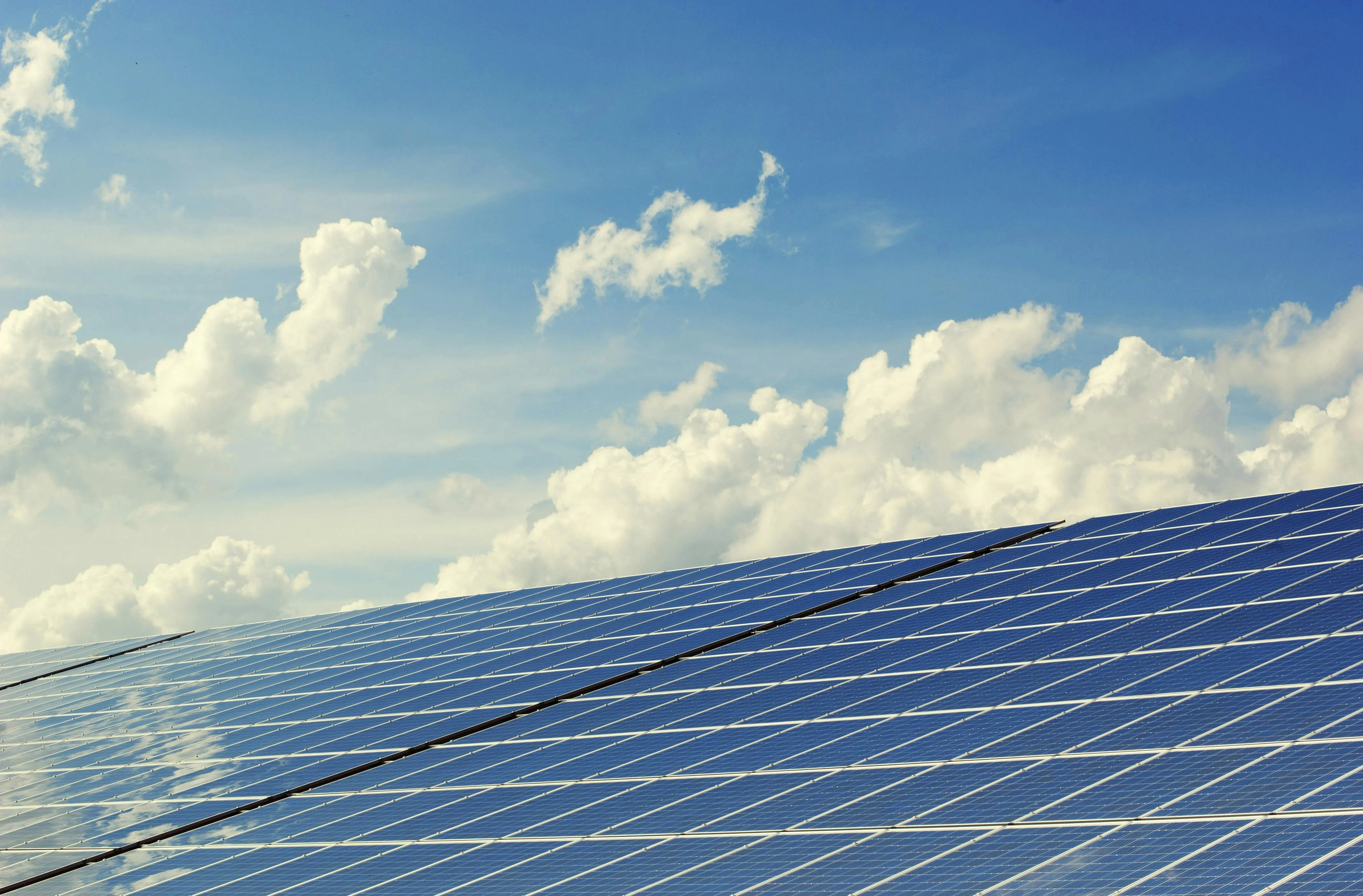
Solar panels run on daylight, not direct sunshine. On an overcast December day, your panels are still generating electricity. Less than a sunny June afternoon, certainly. But they are generating. And when you look at the full year, the numbers make clear financial sense.
The real question is not whether panels work in winter. It is how much they produce and whether the annual total justifies the investment. The data says it does.
How Much Do Panels Produce in Winter vs Summer?
Here is what a typical 4 kW system produces across the year in Ireland. These are realistic ranges based on Irish solar irradiance data, not best-case manufacturer claims.
| Month | Output (kWh) | Relative to Peak |
|---|---|---|
| January | 80 - 120 | Low |
| February | 120 - 160 | Low |
| March | 220 - 280 | Moderate |
| April | 320 - 380 | Good |
| May | 380 - 440 | High |
| June | 400 - 460 | Peak |
| July | 380 - 440 | High |
| August | 340 - 400 | Good |
| September | 260 - 320 | Moderate |
| October | 160 - 220 | Low |
| November | 90 - 130 | Low |
| December | 60 - 100 | Lowest |
Annual total: approximately 2,800 to 3,400 kWh.
December and January are the weakest months, producing roughly 15 to 25% of what June delivers. But the shoulder months (March, September, October) are still productive. And from April through August, your panels are working hard.
Most Irish households use around 4,200 kWh of electricity per year. A 4 kW system covers 65 to 80% of that. Even in the depths of winter, your panels are chipping away at the electricity bill.
Ireland vs Sunnier Countries
This is where most people’s doubts come from. We are not Spain. But we are not that far off Germany, and Germany is the world’s largest solar market.
| Country | Annual Solar Irradiance (kWh/kWp) |
|---|---|
| Ireland | 850 - 1,000 |
| Germany | 950 - 1,050 |
| UK | 900 - 1,100 |
| Netherlands | 1,000 - 1,100 |
| Spain | 1,400 - 1,700 |
Germany receives similar levels of solar radiation to Ireland. Despite that, Germany has over 110 GW of installed solar capacity and is one of the world’s biggest success stories in renewable energy. If solar did not work in climates like ours, Germany would not have built its entire energy transition strategy around it.
Spain gets more sun, obviously. But the economics of solar are not just about peak sunshine. Electricity prices, grid export payments, grant support, and self-consumption rates all play a role. Ireland’s high electricity costs (among the highest in Europe) mean that every kWh you generate yourself is worth more here than in countries with cheaper power.
What Affects Winter Output?
Several factors reduce solar output during the winter months. Understanding them helps set realistic expectations.
Shorter Days
In December, Ireland gets roughly 7 hours of daylight compared to 17 hours in June. That alone cuts potential generation time by more than half. There is simply less time for panels to work.
Lower Sun Angle
The sun sits much lower in the sky during winter. Light hits panels at a more oblique angle, reducing the energy captured per square metre. This is partly offset by setting panel tilt angle correctly during installation, which is something your installer should optimise for Irish latitudes (typically 30 to 35 degrees).
Cloud Cover
Ireland is cloudy. No point pretending otherwise. But modern panels still generate on overcast days, producing 10 to 25% of their rated capacity even under heavy cloud. Thin cloud and bright overcast conditions can deliver surprisingly decent output.
Rain (Actually Helpful)
Here is a silver lining. Ireland’s frequent rain keeps panels naturally clean. In drier countries, dust and grime build up on panel surfaces and reduce output by 5 to 10%. Our weather handles that problem for free.
Snow and Frost
Rarely an issue in most of Ireland. On the occasional frosty morning, panels warm up quickly once daylight hits them. Snow slides off tilted panels within hours. Unlike countries with heavy snowfall, this is not something most Irish homeowners need to worry about.
Regional Differences Across Ireland
Not all parts of Ireland get the same amount of sun. The south-east is the sunniest region, while the west coast is cloudier and wetter. But the difference is smaller than you might think.
South-east (Wexford, Waterford, Kilkenny): The sunniest part of Ireland, averaging around 1,100 kWh/m² of annual solar irradiance. This is the best location for solar in the country.
East coast and midlands (Dublin, Meath, Laois): Close behind the south-east, typically 1,000 to 1,050 kWh/m². Very solid for solar.
West coast (Galway, Clare, Kerry): More cloud and rain, dropping to around 950 to 1,000 kWh/m². Still viable. A 4 kW system here produces roughly 10 to 15% less than the same system in Wexford. That is a modest difference, not a dealbreaker.
North-west (Donegal, Sligo, Mayo): The lowest irradiance levels in Ireland, but still within the range that makes solar financially sensible. Payback takes a bit longer, but the investment still works.
The key point is that solar works everywhere in Ireland. Some areas are better than others, but no area is poor enough to make panels a bad investment.
How to Maximise Winter Output
If you are installing panels, or already have them, a few things help squeeze the most from the shorter winter days.
Get the Tilt Angle Right
Panels at 30 to 35 degrees from horizontal are optimal for Ireland’s latitude. This angle maximises annual output and gives a decent balance between summer and winter capture. Steeper angles (40 to 50 degrees) actually capture more winter sun but sacrifice some summer output. Most installers default to the annual optimum, which is the right call for most homes.
Avoid Shading
Shading matters more in winter when the sun is low. A tree or chimney that causes no shadow in June might cast shade across your panels from October to February. Your installer should assess this during the site survey. If shading is unavoidable on part of the roof, microinverters or power optimisers can help by allowing each panel to operate independently.
Keep Panels Clean
Ireland’s rain does most of this job. But if your roof is near trees that drop leaves or under a flight path where bird droppings accumulate, an occasional clean helps. Do not climb onto the roof yourself. A soft brush on an extendable pole from ground level works, or hire a professional cleaner.
Consider a Battery
A solar battery lets you store daytime generation for evening use. This matters most in winter when peak generation (midday) does not align with peak usage (evening). Without a battery, excess daytime power goes to the grid for a modest export payment. With a battery, you use more of what you generate, which is worth more per kWh than what the grid pays you.
Batteries add €4,000 to €7,000 to your system cost. Whether they make financial sense depends on your usage pattern and how much you value energy independence. Read our solar battery storage guide for the full breakdown.
The Bigger Picture: Annual Output Is What Matters
Focusing too much on winter output misses the point. Solar is a 25-year investment, and the economics work on annual averages, not monthly snapshots.
In summer, a 4 kW system often generates more electricity than a household uses during daylight hours. That surplus offsets the winter shortfall. Over the full year, total generation is what drives payback calculations.
Think of it like a savings account. Some months you deposit more, some months less. What matters is the balance at year-end. And at 2,800 to 3,400 kWh per year, a 4 kW system saves a typical Irish household €800 to €1,100 annually on electricity bills, depending on usage patterns and export rates.
At a system cost of €4,200 to €7,200 after SEAI grants, that is a payback period of 5 to 8 years. For an asset that lasts 25 years or more, the return is excellent.
Frequently Asked Questions
Do solar panels work on cloudy days in Ireland?
Yes. Panels generate electricity from daylight, not direct sunshine. On a cloudy day, they produce 10 to 25% of their peak rated output. Bright overcast conditions can produce significantly more. Ireland is cloudy, but panels still generate year-round.
What is the worst month for solar panels in Ireland?
December. It has the shortest days and lowest sun angle. A 4 kW system typically produces 60 to 100 kWh in December, compared to 400 to 460 kWh in June. That said, December still contributes to your annual total and reduces grid dependence.
How many solar panels do I need for my house?
Most Irish homes suit a system between 3 kW and 6 kW. The right size depends on your roof space, electricity usage, and budget. Our guide on how many solar panels you need walks through the calculation in detail.
Are solar panels worth it in the west of Ireland?
Yes. The west coast gets roughly 10 to 15% less sun than the south-east, which extends payback by a year or so but does not make panels uneconomical. Germany, the world’s largest solar market, gets similar irradiance to Ireland’s west coast.
Do I need a battery with solar panels?
Not necessarily. A battery increases self-consumption (you use more of what you generate instead of exporting it), which improves the financial return. But solar panels without a battery still save significant money. Many homeowners start with panels only and add a battery later.
Will solar panels work if it snows?
Snow is rare in most of Ireland and rarely settles for long. Panels are tilted, so snow slides off. Even a light covering lets some light through. In practice, snow has negligible impact on annual output for Irish installations.
Is Ireland too far north for solar panels?
No. Ireland sits at roughly the same latitude as parts of Germany, which has the most installed solar capacity of any country in Europe. Latitude affects winter output but does not make solar unviable. The annual total is what determines whether the investment pays off, and in Ireland it does.