Solar Panel Payback Period in Ireland: A Full Breakdown
How Long Do Solar Panels Take to Pay for Themselves?
Most solar panel systems in Ireland pay for themselves in 5 to 7 years. After that, the electricity they generate is essentially free for another 18 to 20 years.
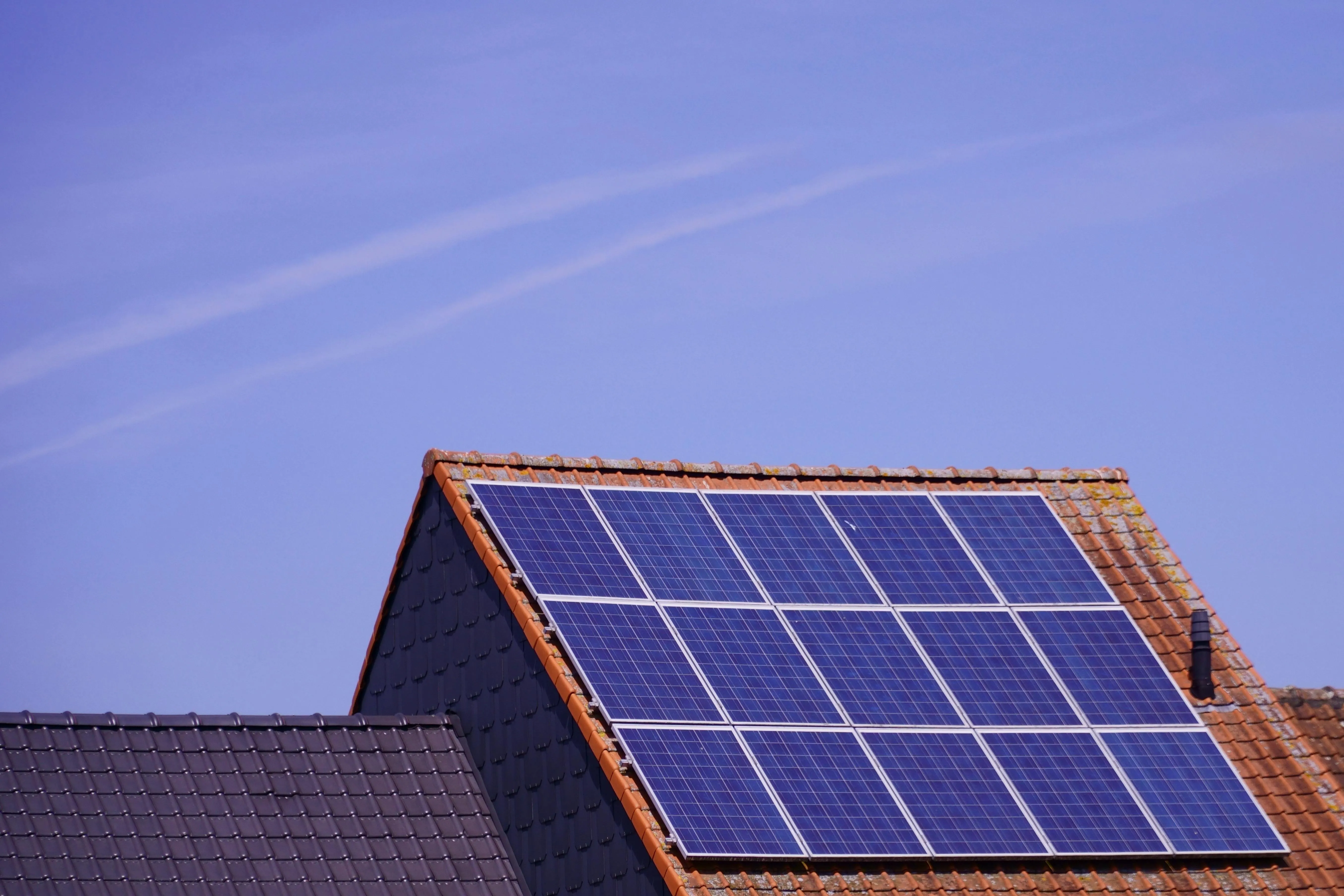
That’s a strong return on almost any investment. But the exact payback period for your home depends on several factors: what you pay for the system, how much electricity you use during the day, your export tariff, and whether you add a battery.
Below are two worked examples using conservative, current figures. These are estimates, not guarantees. Your actual payback will depend on your home, your usage, and your electricity provider.
The Simple Payback Formula
Payback works like this:
Net cost after grant ÷ total annual benefit = payback in years
The annual benefit has two parts:
- Electricity you use yourself (avoiding buying it from the grid at full price)
- Electricity you export (sold back to the grid at a lower rate)
Using your own solar electricity is worth more than exporting it, because you’re avoiding the full retail price of around €0.38 per kWh. Export payments are currently around €0.185 per kWh. This is why self-consumption matters so much for payback.
Worked Example 1: 4kW System, No Battery
This is the most common residential setup in Ireland. A 4kW system fits comfortably on most south-facing roofs and is the standard size recommended for a typical 3-bed semi.
| Item | Amount |
|---|---|
| System cost (installed) | €6,000 |
| SEAI grant | -€1,800 |
| Net cost | €4,200 |
A 4kW system in Ireland generates roughly 3,400 to 3,800 kWh per year. The examples below use 3,600 kWh as a midpoint. Without a battery, a typical household uses about 30% of this directly and exports the remaining 70%.
| Benefit | Calculation | Annual Value |
|---|---|---|
| Self-consumption (30%) | 1,080 kWh × €0.38/kWh | €410 |
| Export income (70%) | 2,520 kWh × €0.185/kWh | €466 |
| Total annual benefit | €876 |
Payback period: €4,200 ÷ €876 = 4.8 years
After under 5 years, the system is paid off. For the remaining 20 years of its expected life, you’re earning roughly €876 per year in savings and export income.
Over 25 years, that’s approximately €21,900 in total benefit from a €4,200 investment. And that’s a conservative figure that assumes electricity prices stay exactly where they are today.
For a full breakdown of system costs, see our solar panel cost guide.
Worked Example 2: 4kW System with 5kWh Battery
Adding a battery lets you store solar electricity generated during the day and use it in the evening. This pushes your self-consumption ratio from around 30% up to around 65%, which means more of your solar electricity displaces expensive grid electricity instead of being exported at a lower rate.
| Item | Amount |
|---|---|
| System cost (panels + battery, installed) | €9,500 |
| SEAI grant | -€1,800 |
| Net cost | €7,700 |
| Benefit | Calculation | Annual Value |
|---|---|---|
| Self-consumption (65%) | 2,340 kWh × €0.38/kWh | €889 |
| Export income (35%) | 1,260 kWh × €0.185/kWh | €233 |
| Total annual benefit | €1,122 |
Payback period: €7,700 ÷ €1,122 = 6.9 years
The battery adds roughly two years to the payback period. You get a higher annual benefit (€1,122 vs €876), but you’ve also paid significantly more upfront.
One thing to be aware of: batteries typically last 10 to 15 years, so you may need a replacement around year 12 to 15. At today’s prices that would be roughly €2,500 to €3,500, though battery costs are trending downward. Factor this into your long-term calculations.
For more on whether a battery makes sense for your situation, read our solar battery storage guide.
What Affects Your Payback Period?
Electricity Price
This is the single biggest factor. At €0.38 per kWh, every unit of solar electricity you use yourself saves you €0.38. If electricity prices rise (as they have consistently over the past decade), your payback gets shorter because each unit you generate is worth more.
The worked examples above assume prices stay flat. In reality, electricity prices in Ireland have risen significantly over the past decade. If that trend continues, payback periods will be shorter than the estimates above.
Self-Consumption Ratio
This is how much of your solar electricity you actually use versus how much you export. It depends on when you use electricity.
If someone is home during the day running appliances, your self-consumption will be higher. If the house is empty from 8am to 6pm, most of your solar generation goes to export at a lower rate.
Simple things can improve self-consumption without a battery: running the dishwasher and washing machine during the day, using timer switches, or heating water with a solar diverter. These aren’t dramatic changes, but they shift the ratio in your favour.
Export Tariff
Export payments are relatively new in Ireland under the Micro-generation Support Scheme. The current rate of around €0.185 per kWh is set by your electricity supplier, not by the government, and it varies by supplier and could change.
If export rates were to drop significantly, the payback period for systems without batteries would get longer. Systems with batteries are less exposed to export rate changes because they export less in the first place.
For the full picture on export income, read our guide on selling solar electricity back to the grid.
System Cost
Prices vary between installers. A 4kW system might range from €5,500 to €7,500 depending on panel brand, inverter type, and installation complexity. Getting a quote for your specific roof is the only way to know your actual cost.
For detailed pricing, see our solar panel cost guide.
Your Roof
South-facing roofs at a pitch of 30 to 40 degrees produce the most electricity in Ireland. East or west-facing panels still work, but generate roughly 15 to 20% less. A heavily shaded roof will produce less again. These differences directly affect how much electricity the system generates each year, and therefore how long payback takes.
Why Payback Periods Are Getting Shorter
Three trends are working in solar’s favour.
Electricity prices keep rising. Irish electricity prices have increased significantly over the past five years. Every price increase makes solar more valuable because each kWh you generate offsets a more expensive unit from the grid.
Panel costs have fallen. Solar panel prices have dropped by over 80% in the past decade globally, and that trend continues. Installation costs in Ireland are lower now than they were even three years ago.
Export payments exist. Before 2022, homeowners with solar panels couldn’t sell surplus electricity back to the grid. Now they can, and export income up to €400 per year is tax-free. This added a new income stream that didn’t exist before, directly reducing payback time.
The SEAI solar grant also plays a role. While grant amounts have been adjusted over the years, the current €1,800 for a typical 4kW system still takes a meaningful chunk off the upfront cost.
Lifetime Value: The 25-Year Picture
Focusing only on payback misses the bigger picture. Solar panels last 25 years or more, and they keep generating electricity long after they’ve paid for themselves.
Here’s the 25-year view for both examples:
| 4kW, No Battery | 4kW + Battery | |
|---|---|---|
| Net cost | €4,200 | €7,700 |
| Annual benefit | €876 | €1,122 |
| Payback | 4.8 years | 6.9 years |
| 25-year total benefit | ~€21,900 | ~€28,050 |
| Battery replacement (est.) | N/A | ~€3,000 |
| 25-year net gain | ~€17,700 | ~€17,350 |
Both systems deliver strong returns over their lifetime. The no-battery system edges ahead on pure return because it avoids the battery replacement cost. The battery system delivers higher annual savings and greater independence from the grid, which some homeowners value beyond the raw numbers.
These figures assume flat electricity prices. If prices continue rising at even 3% per year, the 25-year benefit jumps considerably. We’ve kept the estimates conservative, but the long-term trend clearly favours solar.
The Value That Doesn’t Show Up in the Formula
Some benefits of solar don’t translate neatly into a payback calculation, but they’re real.
Protection against price rises. Once you’ve paid for your panels, a portion of your electricity supply is locked in at zero cost. You’re less exposed to whatever happens with wholesale energy prices, carbon taxes, or network charges over the next two decades.
BER rating improvement. Solar panels improve your home’s Building Energy Rating. A better BER means lower energy costs on paper, which matters when selling or renting. Most solar installations move a home up by one to two BER bands. Read more about how solar affects your BER.
Property value. There’s growing evidence that homes with solar panels sell for more than equivalent homes without them. Buyers are increasingly aware of energy costs, and a home that generates its own electricity is a tangible selling point.
Reduced carbon footprint. A 4kW system offsets approximately 0.9 tonnes of CO2 per year. Over 25 years, that’s approximately 22 tonnes of carbon avoided. This won’t show up in your bank account, but it’s a real contribution.
Frequently Asked Questions
Is a 5 to 7 year payback guaranteed?
No. The 5 to 7 year range is typical for a well-sized system on a suitable roof, but your actual payback depends on your system cost, electricity usage patterns, roof orientation, and export tariff. The worked examples above use conservative assumptions. Your installer should give you an estimate based on your specific situation.
Does the payback calculation include maintenance costs?
Solar panels require very little maintenance. There are no moving parts, and rain does a reasonable job of keeping them clean in Ireland. Inverters typically last 10 to 15 years and cost €800 to €1,500 to replace. This isn’t included in the simple payback calculation above, but even factoring it in, the lifetime economics are strong.
What happens if export tariffs drop?
If export rates were reduced, payback would take longer for systems that export a lot (those without batteries). Systems with batteries are more insulated from export rate changes. Even with zero export income, a 4kW system with good self-consumption still pays back within 8 to 10 years at current electricity prices.
Are solar panels worth it if I’m not home during the day?
They still work financially because of export income, but your payback will be at the longer end. If nobody is home to use the electricity as it’s generated, most of it goes to export at a lower rate. A battery helps significantly in this scenario by storing daytime generation for evening use. Smart timers on appliances can also improve self-consumption without a battery.
For a broader look at whether solar makes sense for your home, read are solar panels worth it in Ireland?
How do I know what size system I need?
System size depends on your annual electricity usage, available roof space, and budget. A 4kW system suits most 3-bed homes. Larger homes or households with higher usage may benefit from a bigger system. Our guide on how many solar panels you need walks through the sizing decision in detail, or read about solar panels for a 3-bed semi.