SEAI Solar Panel Grant 2026: How Much You Get and How to Apply
SEAI Solar Grant 2026: What’s Available?
The SEAI solar PV grant offers up to €1,800 towards the cost of installing solar PV panels on your home. The grant is paid per kilowatt peak (kWp) installed, up to a cap. It applies to both labour and materials.
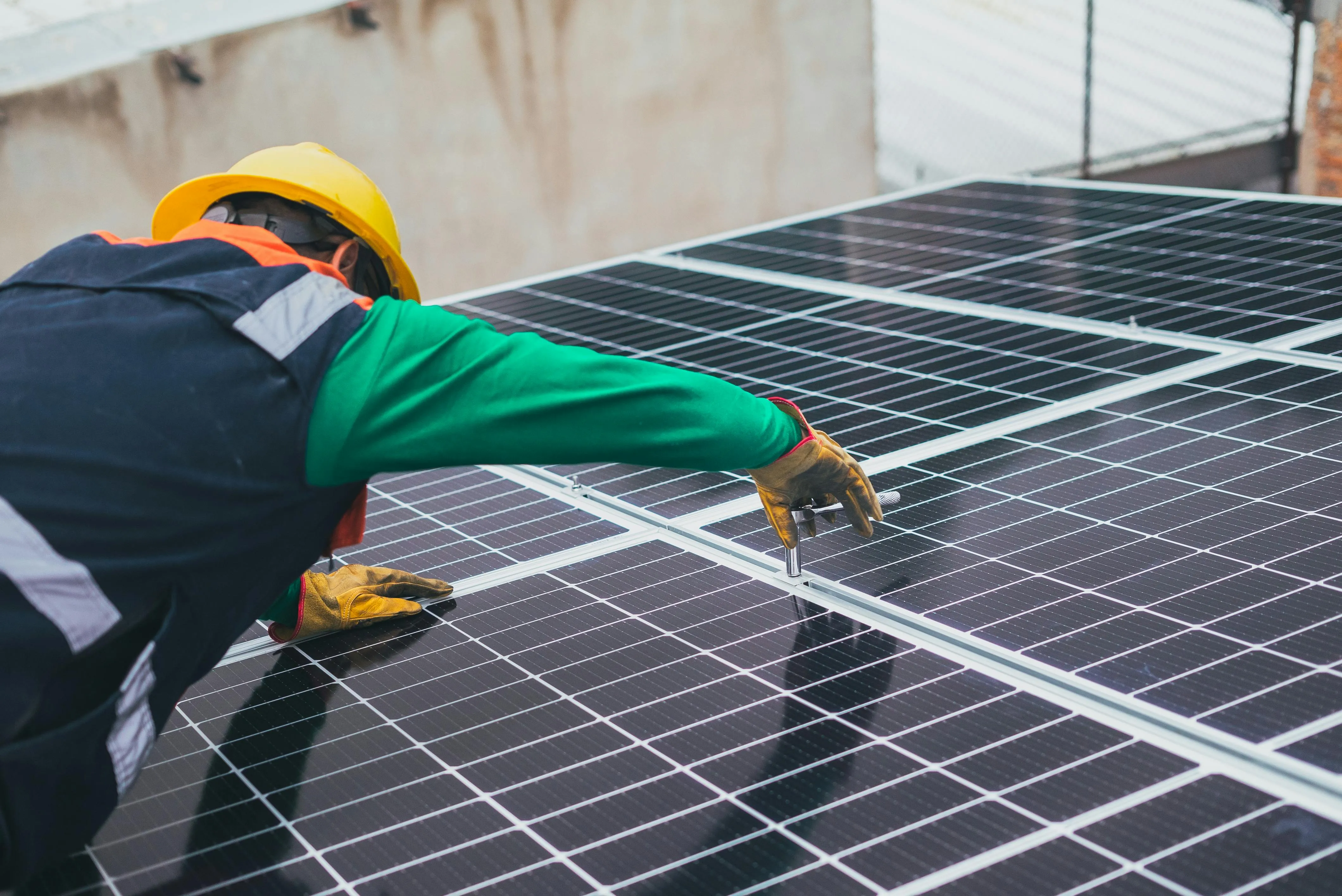
This is one of the more straightforward SEAI grants to claim. Your installer handles most of the paperwork, and the grant is deducted directly from your invoice. You don’t need to claim it back yourself.
Here’s who qualifies, exactly how much you can get, and how the process works from start to finish.
How Much Is the Grant?
The grant uses a tiered rate structure. You get €700 per kWp for the first 2 kWp, then €200 per kWp for additional capacity up to 4 kWp. The maximum grant is €1,800.
| System Size | Grant Amount |
|---|---|
| 1 kWp | €700 |
| 2 kWp | €1,400 |
| 3 kWp | €1,600 |
| 4 kWp | €1,800 (capped) |
To put that in context, a typical 4 kWp system costs around €6,000 to €8,000 fully installed. With the €1,800 grant, you’re looking at roughly €4,200 to €6,200 out of pocket. For a full breakdown of what solar panels cost in Ireland, see our solar panel cost guide.
Worth noting: the grant covers the solar panels and installation only. It does not cover the cost of BER assessments, which are required as part of the process (more on that below).
Who’s Eligible?
The eligibility rules are straightforward, but there are a few that catch people out.
You qualify if:
- Your home was built and occupied before 2021
- You are the homeowner (tenants cannot apply, but landlords can)
- You use an SEAI-registered contractor to do the work
- You get a BER assessment before and after installation
- Your home is connected to the electricity grid
- You haven’t already received an SEAI solar PV grant for this property
You don’t qualify if:
- Your home was built after 2021. Newer homes are expected to meet higher energy standards already
- You want to install the panels yourself. DIY installations are not eligible for the grant
- The property is commercial. There are separate schemes for businesses
The SEAI-registered contractor requirement is the one that matters most. If your installer is not on the SEAI register, you won’t get the grant. Full stop. This is a general requirement of the scheme, not something specific to any particular installer.
How to Apply: Step by Step
The process is simpler than most people expect. Here’s how it works.
1. Get quotes from an SEAI-registered installer
Start by getting a quote for solar PV installation. The installer must be on the SEAI register. Ask them to confirm they are registered before you go any further.
Your quote should include the system size (in kWp), panel type, inverter, expected annual generation, and a full breakdown of costs. If you’re not sure what to look for in a solar quote, our guide covers the key things to check.
2. Get a BER assessment (before installation)
You need a Building Energy Rating (BER) assessment done before the work starts. This gives a baseline energy rating for your home.
A BER assessment costs around €150 to €200. You can find a BER assessor on the SEAI website. Some installers include this in their package, so it’s worth asking.
3. Your installer applies for the grant
This is the part that surprises most people. You don’t apply for the grant yourself. Your installer submits the application to SEAI on your behalf.
Once submitted, SEAI typically takes 2 to 4 weeks to approve the application. You should not start work until the grant is approved. Starting before approval risks losing the grant entirely.
4. Installation
Once approved, the installer schedules the work. A typical residential solar PV installation takes 1 to 2 days. The installer handles the ESB Networks notification for connecting your system to the grid, and commissions and tests the system once it’s in place.
5. Post-installation BER assessment
After the panels are installed, you need a second BER assessment. This shows the improvement in your home’s energy rating. It’s a requirement for completing the grant process.
The improvement is usually noticeable. Solar PV can bump a home up by one or two BER grades depending on the system size and starting point. A better BER also adds to your property value. Read more about how solar panels affect your BER rating.
6. Grant payment
Here’s the important bit: the grant is not paid to you. SEAI pays the grant to your installer, and the installer deducts it from your invoice. So you only ever pay the net cost.
For example, if your 4 kWp system costs €7,000 and the grant is €1,800, you pay €5,200. The installer collects the remaining €1,800 from SEAI after the work is done and signed off.
Some installers ask for full payment upfront and refund the grant amount once they receive it from SEAI. Ask your installer which approach they use before you sign anything. Most deduct it from the invoice, which is simpler for everyone.
Common Questions and Gotchas
The BER costs are on top of the grant
The two BER assessments (before and after) are not covered by the solar grant. Budget roughly €300 to €400 for both. Some installers bundle them into their price, but many don’t. Ask upfront so there are no surprises.
You can’t start work before grant approval
This catches people who are eager to get going. If your installer starts the installation before SEAI approves the grant application, you may lose the grant. Wait for the approval confirmation before any work begins.
The timeline is longer than you might think
From first enquiry to a working system, expect roughly 4 to 8 weeks in total. That breaks down as:
- Getting quotes and choosing an installer: 1 to 2 weeks
- BER assessment: 1 week
- Grant approval from SEAI: 2 to 4 weeks
- Installation: 1 to 2 days
- Post-installation BER: 1 week
Summer is peak season for solar installers. If you’re planning a summer installation, start the process in spring.
You can combine this with other SEAI grants
The solar PV grant can be claimed alongside other individual energy upgrade grants. If you’re also planning insulation work or a heating upgrade, you can apply for multiple grants separately.
For more ambitious retrofits involving three or more measures, the One Stop Shop scheme may be worth exploring. A registered One Stop Shop company manages the entire project and can access higher grant amounts per measure. The trade-off is that you typically need to achieve a BER of B2 or better across all the work.
Other Grants Worth Knowing About
One Stop Shop (deeper retrofits)
If you’re doing solar as part of a larger energy upgrade (insulation, heat pump, windows), the One Stop Shop route can offer better overall value. A registered company manages everything and you may qualify for higher combined grants. The target is usually a B2 BER or better.
TAMS for farms
If you’re a farmer, the Targeted Agricultural Modernisation Scheme (TAMS) offers a separate grant for solar PV on agricultural buildings. The grant rate and process are different from the residential SEAI scheme. We have a full guide to solar panels for farms that covers the details.
Is the Grant Worth It?
Absolutely. Even without the grant, solar PV is one of the better long-term investments you can make on an Irish home. With it, the payback period drops significantly.
A typical 4 kWp system saves €600 to €900 per year on electricity bills, depending on your usage patterns, self-consumption levels, and whether you have battery storage installed. After the grant, most homeowners see a full payback within 5 to 7 years. After that, the electricity savings are essentially free.
Add in the BER improvement and increased property value, and the numbers work well. For a detailed look at the financials, read are solar panels worth it in Ireland?.
Frequently Asked Questions
Can I install solar panels myself and still get the grant?
No. You must use an SEAI-registered contractor. DIY installations are not eligible for the SEAI solar grant.
What if my home was built after 2021?
You’re not eligible for the Better Energy Homes solar grant. Homes built after 2021 are expected to meet higher energy performance standards. There may be alternative supports depending on your situation, but the standard SEAI solar PV grant is not available.
Do I have to pay the full cost upfront?
It depends on your installer. Most deduct the grant from your invoice, so you only pay the net cost. Some require full payment and refund the grant portion once SEAI pays out. Clarify this before you commit.
How long does SEAI take to approve the grant?
Typically 2 to 4 weeks from the date your installer submits the application. Processing times can be longer during busy periods (spring and early summer).
Is the grant available for apartments?
In theory, yes, if you own the property and have suitable roof access. In practice, apartments with communal roofs make this complicated. You’d likely need agreement from the management company and potentially all other owners.
Can I add battery storage?
Yes. Battery storage can be installed alongside solar PV. As of early 2026, there is no separate SEAI grant specifically for battery storage, though this is an evolving area and may change. Even without a separate battery grant, adding storage can significantly increase how much of your generated electricity you use rather than exporting to the grid.